Optimize Your Website for Google in 3 Easy Steps

SEO optimization is one of the least understood pieces of the digital content puzzle. If you’ve looked into options and automation for it you’ll find an almost intentional mystification of the whole SEO process. The truth is that it’s not mysterious, but it does require skills and creativity to master. And there are some pieces that you can do yourself, quickly, that will make a big difference. 


Anyone who has a website or a blog has heard the terms: optimize, Google, search engine optimization (SEO) and keywords. There is a great deal to know about getting your website up and running and a well-optimized site helps ensure your business is easy to find in organic searches, increasing the likelihood that potential customers find you and further boosting your sales. Let’s dig into three ways you can optimize your website for the Google search algorithm:


Step 1: Know What Your Customers Are Searching For

You are an expert in your industry. You know all the words associated with your products and services. However, customers might not. Using empathy to put yourself in their shoes is a powerful tool to use throughout your marketing strategy.


First, uncover what your customers are searching for. Keywords are critical. These are the terms potential customers enter into Google. You want to be the result. For example, if we are looking for a company that plans birthday parties, keywords might be:


  • Birthday 
  • Party Planner
  • Parties


To find keywords, do market research by asking your audience, testing out different keywords in Google yourself or by working with a team, like ours, to analyze the terms your competitors are using and those that will deliver the best results.


Long-Tail Keywords

Keyword phrases or “long-tail” keywords are also needed. Following our example, long-tail keywords might be:


  • Party planners in the UAE
  • Birthday event planning company in Dubai


Integrate these words and phrases into your website copy and blog articles. Google will recognize your website as something searchers using these words will want to click on – increasing your site’s visibility.


Trending Topics

Use social listening to learn what’s important to your audience right now. You can also search for trending topics on social media to generate ideas for relevant topics and keywords. YouTube and Twitter have a “what’s trending” section. Or you can join Facebook groups to see what people are talking about. 


Step 2: Create Pages Optimized For Search

Now that you have keywords and content topics, it’s time to optimize your webpages for search engines.


Create ‘Search Intent’ Content

Creating search intent content is similar to finding trending topics. Your goal is to write articles that people want (and need) to read using those keywords. Strive to include one keyword or phrase in every paragraph.


Branded URLs

How URLs look makes a difference. Depending on your website hosting and platform, you might be able to change your URLs. We recommend using short, easy-to-remember URLs without dates. 


An example of our birthday party event planning, the URL could look like:

birthdayplanning.com/birthdays-done-right


Though the average consumer doesn’t look at the URL that carefully, Google likes them to be short and straightforward. 


Meta Descriptions

A meta description is a short blurb underneath your site title and link, telling what that page is about. If allowed by your hosting platform, edit your meta description to display your information in the search page accurately. 


Adding your keywords to the description is also a good idea. For example:


Birthday Planning – Home

We make birthday party event planning easy for all ages, from toddlers to elderly family members …


Step 3: Make Your Website Accessible to Search Engines and Humans

You want to be picked up by search engines. However, that will do no good if your site is not user-friendly. These three things are easy fixes to make sure actual people want to hang around and return to your site. 


Ensure Your Site Loads Quickly

Think about your own experiences with websites. A slow-to-load webpage is annoying. Your search engine rankings will suffer if your page loads slowly. Things that can affect site speed include large files, videos and too many plugins. 


Mobile-Friendly

Some people rarely touch a computer but have a phone in-hand all day. Setting up your website to be mobile-friendly and perhaps even mobile-first is a good idea. The goal is to make your site as comfortable as possible for consumers to hang out for as long as possible. 


SSL

Have you clicked on a site and a warning appears telling you that it could be unsafe? This is a site lacking security certification. Usually, your website hosting platform covers this for you. But if not, you’ll need to get SSL to prevent users from turning away.


SEO is complex, ongoing and requires both a creative and technical eye to master. The most successful websites have a team working on their SEO. If expert-level optimization is what you are after, let’s talk. We will optimize your site and explore additional SEO benefits with you – taking out the mystery while adding in the profits.


Wishing you light and love. ~Hema

5 Tools to Get Your New Website Up and Running Quickly

Which is better for business: A DIY website builder or a customized website?

48% of people cited a website’s design as the number one factor in deciding a business’s credibility.
94% of people cited web design as the reason they mistrusted or rejected a website.

The above statistics cited in the article, Why Having A Bad Website Hurts Your Business (Even If Your Company Is Referral Based), reinforce the importance of your website’s design.

To maximize your success online, your website must confirm your credibility, showcase your expertise, position your business as unique, and stand apart from your competitors. It must instantly capture and hold your visitor’s attention and convey that they have landed on the right spot.

Which leads to today’s question… Is it better to go with a DIY website builder or a customized website? 

Here are three key issues you should consider (that you might not immediately think about) when doing your research.

  • Templates. DIY Website builders like Wix, Squarespace and GoDaddy use templates. Many are included in their monthly rate, while additional templates can be purchased for $100 or less. It’s important to note that templates are not designs. They are rules that determine how the various elements (headlines, images, text, videos) sit together on a page. This means that you must make your content work within the rules of your template.

    Pros
    The advantage of using a template is that you can get your website up and running quickly.

    Cons
    The problem with templates is that they are not unique, which may give your site a “sameness feel” about it. Using a template limits your flexibility with design and how your content is presented to the world. Plus, it can be extremely frustrating to find the right template for your business.

    Summary
    With a customized site, you have more flexibility in terms of how you want your website to look. Plus, if done right, your site will look more professional, which will enhance your credibility among your target audience.
  • Add-ons. Many talented programmers are developing innovative add-ons to make your visitor’s website experience more fruitful and your website more effective. A few notable ones are Boast, which helps you collect testimonials; Olark, a popular tool for chatting with your prospects and customers; and AddThis, a social media integrator.

    Pros
    DIY Web builders offer add-ons you can use for your website, which may satisfy your needs.

    Cons
    Because you’re working within the guidelines of a template, it can make the integration of third-party features into your site difficult (or impossible). You are dependent on the capabilities of the add-ons offered by the DIY web builder, which could lead to a reduction in choice and having to settle for an add-on that has fewer features than what’s hot in the marketplace.

    Summary
    A customized website gives you access to a greater variety of apps that can potentially increase flexibility and heighten the user experience.
  • Site ownership. With DIY website builders, instead of a more substantial fee upfront, you pay a smaller monthly fee. This means, while the content is still yours, you don’t own that original version of your website, you’re merely renting it.

    Pros
    Less expensive in the short term (and potentially in the long-term).

    Cons
    When you use a DIY website builder, you rent your site and are married to that company for a long time or until you get a divorce (which could get messy). Should you decide to switch services, it’s essential to know what is transferable and what is not. From the Wix site: “Your Wix site and all of its content is hosted exclusively on Wix’s servers, and cannot be exported elsewhere. Specifically, it is not possible to export or embed files, pages or sites, created using the Wix Editor or ADI, to another external destination or host.”

    Summary
    When you go the designer, proprietary website route, you own your site and its design, content, and so on.  (There might be individual elements exclusive to your designer. It’s best to clarify upfront what part of your site may be proprietary to them.) Owning your site outright means that all content is yours and you don’t have to fret if you change suppliers (due to poor customer service or whatever)—your site will remain intact, avoiding any disruption or downtime.

Even though online DIY website builders are advertised as easy-to-use, they take time to master and require a lot of tweaks and patience to get your site the way you want it. When you invest in a customized website, you leave the technical stuff to the pros to focus on what you do best.


If you’re currently planning to launch (or redo) your website, let’s talk. We will help you choose the best option for your business.

Wishing you light and love. ~Hema

Digital Marketing Executables and KPIs

Welcome to the last article in our seven week series, “The New Digital Marketing.” Over these past weeks I’ve lead you through the steps of developing your own online marketing strategy from start to finish. Whether you’re a traditional brick and mortar business getting online for the first time – or have had your digital ducks in a row for years… the world has changed and we are adapting. Let’s do it together. This is the fun part – let’s look at your “Digital Marketing Executables and KPIs.”


If you’re just joining us, don’t miss the first six pieces in this series:

Week 1: Realign and Get Online

Week 2: Virtual Meetings and Conferences

Week 3: Engage to be Engaging

Week 4: Digital Strategic Planning

Week 5: Empathetic Marketing

Week 6: Organizing Your Digital Presence


———————


Wasting money on marketing. 

It’s a common problem many businesses face. Not because marketing doesn’t work, but because their marketing efforts are often more reactive than proactive. 

They put out a Facebook ad here and a Google ad there, without even tracking how effective each campaign is or if they are even getting a return on their investment. Without a sound marketing strategy in place, your business might be missing out on great opportunity after great opportunity. When this happens, your revenue and profit can dry up, and you may even go out of business.

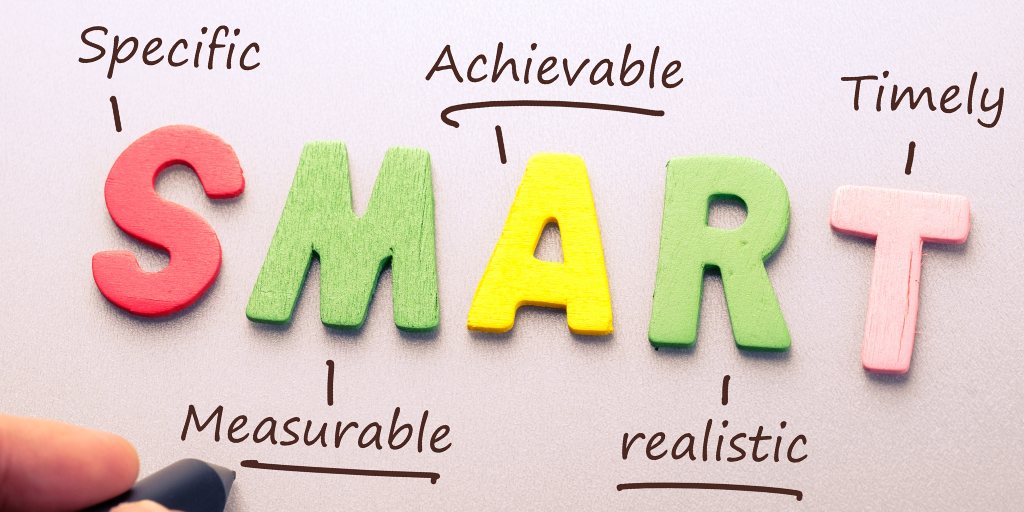
You need to develop SMART marketing goals for your business. Today, I’ll look at what SMART goals are and what you need to create and achieve them. Here is your four-step plan to set up your SMART marketing plan for your new digital marketing… 

  1. Set SMART (Specific, Measurable, Attainable, Realistic, Time-Bound) marketing goals. Before, we look at how to come up with SMART marketing goals, a quick note about the difference between business goals and marketing goals. A common business goal is to drive more sales. Your marketing goal to achieve this business goal would be to increase website traffic, drive more click-throughs from paid ads, grow your email list, and so on.  Your business goal is a “big picture goal.” Your marketing goals are what you need to do to achieve your business goals. It’s important to make sure that your marketing goals are aligned with your overall business goals.

    The following are the five components of SMART marketing goals…

    Specific. Determine what you want to accomplish, then make it specific. For instance, don’t just say “my goal is to increase my subscriber list,” say “my goal is to increase my subscriber list by 50% by November 15th of this year.”

    Measurable. Your goal itself should answer the question “How will I know when I have accomplished this goal?” When you’re able to measure the success of your goal, you’ll be able to track the progress you’re making towards the achievement of your goal. Plus, when your goal is measurable, it makes it easy to communicate success to everyone involved.

    Attainable.  Figure out the effort, time, resources, and skills needed to achieve each goal. Use your past performance (if available) to determine the attainability of your goal. For instance, if you average a 1% response rate on your marketing campaigns, it might not be realistic to set a goal of achieving a 10% response rate within the next six months.

    Relevant. What problem is it solving? How high of a priority is the problem? What’s the expected ROI of the goal? Does it align with your other needs? Your goal must benefit your business and be important to both you and your target audience. It must also align with your overall marketing and business objectives.

    Time-bound. Parkinson’s law says, “work expands so as to fill the time available for its completion.” To avoid that happening, you need to assign timelines and deadlines to your goals. When you add set dates for completion, it creates urgency and inspires action. It motivates you to do whatever it takes to meet your time commitment. So, determine what is the most reasonable amount of time you need and then stick to it. 
  2. Determine your Key Performance Indicators (KPIs). KPIs for your marketing initiatives relate to sales growth, profit, market share, lead generation, new customer acquisition, lifetime value of your customer, conversion rates, website metrics, social media engagement, SEO performance, etc.  Assign deadlines, numbers, and metrics to each one you’re focusing on. These are the benchmarks you will use to determine if you are successful or lagging behind. You’ll want to continue to develop and increase your KPIs going forward. Put together 30 and 90-day KPI plans and then determine what KPIs you’d like to achieve over one year, three years, and five years. (Although I’ve listed this as Step 2, identifying your KPIs is something you’ll do hand in hand with Step 1.)

    It’s often easier to determine what steps are necessary to achieve a KPI if you work backward. For example, let’s say your KPI is to generate $100,000 in new revenue in the next six months. You would then ask yourself, “Based on your average sale per customer, how many customers do you need to generate $100,000 in revenue?” From experience, you know you need 10 customers to generate $100,000. If your conversion rate is 10%, you will need 100 qualified leads to generate 10 sales. Next, determine what you have to do to generate 100 qualified leads. When you do this exercise, it will also be a bellwether as to whether each of your marketing goals is attainable. 
  3. Set up a strategy to accomplish your goals. After you have your SMART marketing goals mapped out, your next step is to put together a strategy to achieve them. Your blueprint should list the milestones you will achieve along the way and what you will do to achieve them and when. You can map out your strategy in a spreadsheet or invest in software (such as Asana) that is designed to help you plan and implement your strategic goals. 
  4. Review and change your strategy when necessary. At least once a month (or as required), you will want to review the progress you’re making on your goals. Are you on track?  Are you falling behind? If you are falling behind, try to determine why and come up with a solution, and then adjust accordingly. For example, if your goal is 5,000 new list subscribers in six months and you’ve only added a few hundred three months in, it’s time to reexamine your strategy. Remember, setting and achieving SMART marketing goals is a learning experience. The more you do it, the better you will get at it.


SMART marketing goals force you to plan and develop expectations for all of your marketing actions and campaigns and prevents you from taking a haphazard approach to marketing. If you do them consistently, your business will be more successful. More importantly, you’ll feel better every day that both you and your business are on the right track.


Take your brand boldly into the new normal. Keep pushing for real, authentic interaction with your tribe and keep your brand top-of-mind. If you need more ideas or a plan to get started, let’s talk. Remember, we are on this journey together.


Wishing you light and love. ~Hema

Organize Your Digital Presence

Welcome to week six in our series, “The New Digital Marketing.” Over seven weeks I’m going to lead you through the steps of developing your own online marketing strategy from start to finish. Whether you’re a traditional brick and mortar business getting online for the first time – or have had your digital ducks in a row for years… the world has changed and we are adapting. Let’s do it together. It’s time to “Organize Your Digital Presence.”


If you’re just joining us, don’t miss the first five pieces in this series:


Week 1: Realign and Get Online

Week 2: Virtual Meetings and Conferences

Week 3: Engage to be Engaging

Week 4: Digital Strategic Planning

Week 5: Empathetic Marketing

———————


The Internet levels the playing field for businesses. It enables small and medium-sized businesses to compete successfully with large businesses that have more resources and money at their disposal. When you create a solid digital presence that provides great and relevant content for your prospects and customers, backed by great customer service, you will win and prosper. Plus, your customers will love you!


The following are seven steps that will help you get your digital presence organized (and effective) from stem to stern…


  1. Create (or update) your website. Your website is your 24 hours a day hub with all your “digital roads” leading back to it. Every business needs a website. Besides generating leads and closing sales, your website establishes your expertise and credibility. Plus, it’s an opportunity to tell potential customers what makes you unique and why they should do business with you versus your competition.

    If you already have a business website, it’s a good time to consider ways in which you can improve the effectiveness of your site. Are you using outdated themes and technology? Is it mobile friendly? Does a prospect immediately know that you are the solution to their problem? Is it easy to navigate? Is it visually pleasing? Does it appeal to the clients you are trying to attract? And so on.

    An easy way to increase sales and customer convenience is to add e-commerce functionality to your website. A big benefit of selling a product through your website (other than a greater profit margin) versus selling through an online marketplace is you acquire the customer’s contact information. This gives you the ability to market to them in the future which allows you to build a relationship of trust with them. This is important because repeat customers are nine times more likely to convert than a first-time shopper, according to a report by Adobe.
  2. Create (or update) social media sites. Social media is the least expensive form of marketing and allows you to repurpose your content over multiple channels. A smart social media strategy can quickly increase your brand awareness, boost engagement, generate leads and sales, provide customer service, and drive traffic to your website. It can lead to mentions in the press, plus it is a way for you to “listen” to conversations about your brand. At the very least, your business should be on Facebook, Instagram, Twitter and LinkedIn.  Beyond that, great things can happen with YouTube, Pinterest, YouTube, Snapchat and TikTok. Decide what your goal is with social media, which platforms best attract your target audience, and create a plan to reach them. 
  3. Create Common Branding. Consistent branding across all aspects of your business will mold a positive perception and it will instill trust and loyalty in your customers. Your branding (and messaging) should be uniform across both your digital platforms and your offline marketing efforts.
  4. Embrace an online meeting platform. While video conferencing has never been more popular, even in normal times it’s a way for businesses to save time and cut down on travel costs. Besides talking with your customers face to face, many video conferencing services allow users to share screens, exchange files, communicate using digital whiteboards, and so on. For more information, check out my post, Virtual Meeting 101.
  5. Create an email newsletter. Email is still one of the most popular forms of communication. An email newsletter will keep you top of mind with your prospects and customers. This will increase traffic to your website and help grow your social media community (which, in turn, will increase conversions). An email newsletter is not intrusive. You are providing your customers with useful information, not inundating them with advertising.
  6. Create (or update) your blog. Writing a regular blog post strengthens your relationship with your customers. A blog will also improve your search engine ranking and increase your online traffic as Google loves fresh content. Plus, you can repurpose your blog posts by also featuring them in your email newsletter.
  7. Organize it all in a task-management platform. When you think of the various components of your digital presence, you might feel overwhelmed when thinking about making it all run smoothly. Fortunately, there are programs designed with just this in mind.  We use Asana and it has been a complete game-changer.  More on that to come.  As Asana certified professionals, we can also get you a link to save 10% off of your first year – plus we can help you onboard and train your team.


To get (and keep) a leg up on your competition, a comprehensive well thought out digital strategy is vital. And while a strong digital presence is all about technology, it’s important to remember that marketing is all about engaging your prospects and customers and providing them with the solutions they are looking for in an empathetic way.


Take your brand boldly into the new normal. Keep pushing for real, authentic interaction with your tribe and keep your brand top-of-mind. If you need more ideas or a plan to get started, let’s talk. Remember, we are on this journey together.


Wishing you light and love. ~Hema

Empathetic Marketing

Empathetic marketing generates credibility and trust… and more sales.

Welcome to the fifth article in our series, “The New Digital Marketing.” Over seven weeks I’m going to lead you through the steps of developing your own online marketing strategy from start to finish. Whether you’re a traditional brick and mortar business getting online for the first time – or have had your digital ducks in a row for years… the world has changed and we are adapting. Let’s do it together. This week we are going to practice our “Empathetic Marketing” skills.


If you’re just joining us, don’t miss the first four pieces in this series:


Week 1: Realign and Get Online

Week 2: Virtual Meetings and Conferences

Week 3: Engage to be Engaging

Week 4: Digital Strategic Planning


———————


There is an old marketing adage: “people love to buy, but they don’t want to be sold.” How true! So, how do you make it so people “love to buy” from you? Use empathetic marketing.

Empathetic marketing is when you see your products and services, not through a marketer’s eyes, but your customer’s eyes. As humans, we love to laugh, feel joy, and love. We are proud and crave recognition—and we sometimes cry, fear, and doubt. As a marketer, you must interact with your clients in a way that connects with your customer’s emotions and motivation.

This is especially true in this new normal. In all corners of the globe, people are dealing with the same struggle, uncertainty, and fear of the unknown. It has enhanced our need and desire to care for and help each other.   

Marketing with empathy means that you understand your customer’s wants and needs, which generates trust, loyalty, and greater mutual business success. With an empathetic approach, you are always looking for ways to make your customer’s life better.

Here are five ways you can take a more empathetic approach to your marketing…


  1. Ask “How does my product make my customer feel?” — People buy on emotion and then justify their decision with facts and logic. Mark Ingwer, in his book Empathetic Marketing, lists the six core emotional needs as 1) control; 2) self-expression; 3) growth; 4) recognition; 5) belonging; and 6) caring. Think about how your product or service makes your prospect feel concerning each point. Think of each step they take, both pre-purchase and post-purchase. Pay attention to their emotional, mental, social, and physical needs and note any obstacles they may come up against along the way. Imagining how someone will feel while using your product will spark creativity and originality within you, which will provide you with new and innovative ideas. 
  2. Do your research — Your goal is to understand what motivates your customers and to clarify what they need from you to make their experience with you more positive. Here are three ways to do customer research: 1) Meet your prospects “virtually face to face” and ask them open-ended questions (“What are the main reasons you chose our product/service?” “How would you describe your experience with us?” “If you could change anything about our product or service what would you change?” etc.); 2) Listen to sales or customer service calls; and 3) Survey customers online. Explain to your customer in advance that you are open to receiving negative feedback from them as it is an opportunity for you to improve.   
  3. Create a customer profile — Start a file on your customer that lists things such as their age, family background, likes, dislikes, household composition, habits, behaviors, emotions, goals, issues, buying history, and so on. This will help you (and your team) have more personal and impactful engagements with your customers.   
  4. Give your customers useful customer-centric content — Help your clients identify and solve problems. Prove your expertise to your customers with content that helps them get clarity as to what they want to accomplish and show them how your concepts can provide a solution. 
  5. Make empathy your lifestyle — Operating with empathy is not just a marketing strategy, it’s a lifestyle. Because to be effective, every communication with your customers must be authentic, honest, and genuine. You must always put your customer’s best interests at heart and seek solutions that will bring benefits to their lives. You must always seek to understand your customers so you can lift them up and make their lives better. You must practice empathy throughout your organization from upper management to your employees and suppliers.


Empathy is your superpower. It gives you credibility, strengthens relationships, and trust—and will turn your prospects into customers and your customers into raving fans. 

Take your brand boldly into the new normal. Keep pushing for real, authentic interaction with your tribe and keep your brand top-of-mind. If you need more ideas or a plan to get started, let’s talk. Remember, we are on this journey together.


Wishing you light and love. ~Hema

Digital Strategic Planning

Welcome to the fourth article in our series, “The New Digital Marketing.” Over seven weeks I’m going to lead you through the steps of developing your own online marketing strategy from start to finish. Whether you’re a traditional brick and mortar business getting online for the first time – or have had your digital ducks in a row for years… the world has changed and we are adapting. Let’s do it together. It’s time to get into the meat of your, “Digital Strategic Planning.”

If you’re just joining us, don’t miss the first three pieces in this series:

Week 1: Realign and Get Online
Week 2: Virtual Meetings and Conferences
Week 3: Engage to be Engaging

———————
Human connection makes the world better. The ability to be real, vulnerable and authentic with each other can make the pain of separation sting a little less. Learning that our pain is, in fact, shared lightens the load on our shoulders. So when we think about our marketing today – the digital shines brightest.

If all marketing is identifying pain points and then relieving them, then digital marketing is paramount when we are apart. So, let’s think about how your humanity and your brand can merge into a new digital plan.

Like any strategy, your digital marketing needs clarity of purpose, measurable KPIs and an executable list of deliverables. What sets it apart from your other marketing initiatives is creative content and engagement. Here’s how to set it up:

  1. What’s the point? Clearly, and with that aforementioned humanity, define the answer to the question, “Why are we going to market?” What pain-points are you going to address with your audience? From there, establish the goals of this marketing strategy. Are we increasing brand awareness? Launching a new product or service? Increasing leads and conversions? Be sure everyone on your team has the same objectives in mind.
  2. Tell a story. People are driven by a narrative, and that’s really hard right now – because so much of the future is uncertain. Create your digital campaigns with this in mind. Communicate a narrative, an experience for your audience. No piece of your digital presence stands alone. Map out a clear beginning, middle and end… and then what story will come after. If you are running multiple campaigns at the same time, like a new product along with brand awareness, consider how they can tie together to provide continuity for your audience.
  3. Engage to be Engaging. Now is the time to highlight the humanity in your brand. Be real. Your content needs to get your audience talking with you and about you. Read this piece from last week to learn more.
  4. Pick your platforms. Where will you tell this story? Will you build out an informative series of blog articles that tie in to posts on social media? Which social platforms? Keep in mind the demographic differences of both your client base and the social media you plan to use. Also remember that some platforms are driven with visuals, like Pinterest and Instagram, while others allow you more copy interaction.
  5. Create a calendar. I strongly recommend using task-management software to integrate your team and work product. Within this platform you should have a marketing calendar that clearly outlines your strategy, the specific executable tasks for each piece as well as the corresponding timeframe to keep work on track. Since things are changing more rapidly than ever before, let’s look at 90 days out at a time.
  6. Monitor and pivot. As you and your team get into this new strategy, plan ahead to monitor analytics, social listening, website traffic, lead generation and conversion rates so that you can accurately measure your success as you go. When things change, be ready to adapt and change along with them so that you and your client remain in sync.

You’re ready to strategize your way to new revenue streams online. Jump in with both feet. I will see you next week to discuss how empathetic marketing gives you a leg up on your competition and a connection with your customers.

Take your brand boldly into the new normal. Keep pushing for real, authentic interaction with your tribe and keep your brand top-of-mind. If you need more ideas or a plan to get started, let’s talk. Remember, we are on this journey together.

Wishing you light and love. ~Hema
Engage to be Engaging

Welcome to the third article in our series, “The New Digital Marketing.” Over seven weeks, I’m going to lead you through the steps of developing your own online marketing strategy from start to finish. Whether you’re a traditional brick and mortar business getting online for the first time – or have had your digital ducks in a row for years… the world has changed and we are adapting. Let’s do it together. This week I want to look at ways we can “Engage to be Engaging.”


If you’re just joining us, don’t miss the first two pieces in this series:


Week 1: Realign and Get Online

Week 2: Virtual Meetings and Conferences


———————

If content is king, engagement is queen–and we all know the future is female. The best part of digital marketing is the opportunity to build a virtual community around your brand, and what a gift that is when we can’t be together in person.


By now, in preparation for our new normal, hopefully you’ve done a thorough realignment and pivoted your messaging. You’ve also spent time developing an online avenue for meetings and events. So now we get to go after the heart of it. Successfully marketing to an audience that we can’t physically be in front of takes more than great copy and media. We have to get our tribe talking about us and with us. Here’s how:


  1. Plan and measure. Before you start developing content, decide what engagement means to you. The term is used loosely in marketing to describe a variety of things – from clicks and likes to comments and shares. And beyond that, leads and conversions of those leads to sales. More on that later. For now though, be sure that you know what kind of interaction you want and how you’ll measure its effectiveness.
  2. Blog. Become your brand’s voice and establish yourself as the expert in your field with an engaging blog. Use social listening to understand the pain points of your audience and offer them relief with professional advice that they can act on. Once your blog post is live on your site – share it far and wide. Engage with your audience by asking open-ended questions about the article topic and then respond in the comments when they answer.
  3. Leverage the power of the group. Build your own and join the ones that are already popular with your audience on platforms like Facebook and LinkedIn. Join as both yourself and your company so that you can volley comments from both sides. Now that we are physically separated, online groups are exploding in popularity and, more importantly, immersive engagement. Be a conversation starter. Show your expertise by commenting on the posts of others. This is not a place for a sales pitch, so be human. When people start to see you shine they’ll want to work with you.
  4. Grab attention with digital media. Like any online content, the image that you pair with your copy is paramount. Have a video? Even better. Can you shoot a live video? Do it. The images we use to tell our stories are the initial draw. They’re the carrot at the end of your stick. Make them count.
  5. Invite engagement. While this may sound obvious–the best way to get people to participate in a discussion or conversation is to invite them. Ask questions. Take polls. Make them laugh or stir emotions. Tell stories and ask your audience to comment with similar experiences, struggles or successes. This is where your humanity is your greatest asset–be real and authentic and your audience will respond.


You’re ready to jump in and get people talking. Build your audience into a powerhouse of interaction and engagement. Take your brand boldly into the new normal. Keep pushing for real, authentic interaction with your tribe and keep your brand top-of-mind. If you need more ideas or a plan to get started, let’s talk. 


Remember, we are on this journey together.


The next step in our journey is digital strategic planning and its place in your new marketing plan. See you next week with an article on how to “Strategize for the New Normal.” Comment below with your thoughts on these ideas and share your successes.


Wishing you light and love. ~Hema
 

Virtual Meeting and Conferences

Welcome to the second article in our series, “The New Digital Marketing.” Over seven weeks I’m going to lead you through the steps of developing your own online marketing strategy from start to finish. Whether you’re a traditional brick and mortar business getting online for the first time – or have had your digital ducks in a row for years… the world has changed and we are adapting. Let’s do it together. Today we are digging into, “Virtual Meetings and Conferences.”


If you’re just joining us, don’t miss the first piece in this series:


Week 1: Realign and Get Online


———————


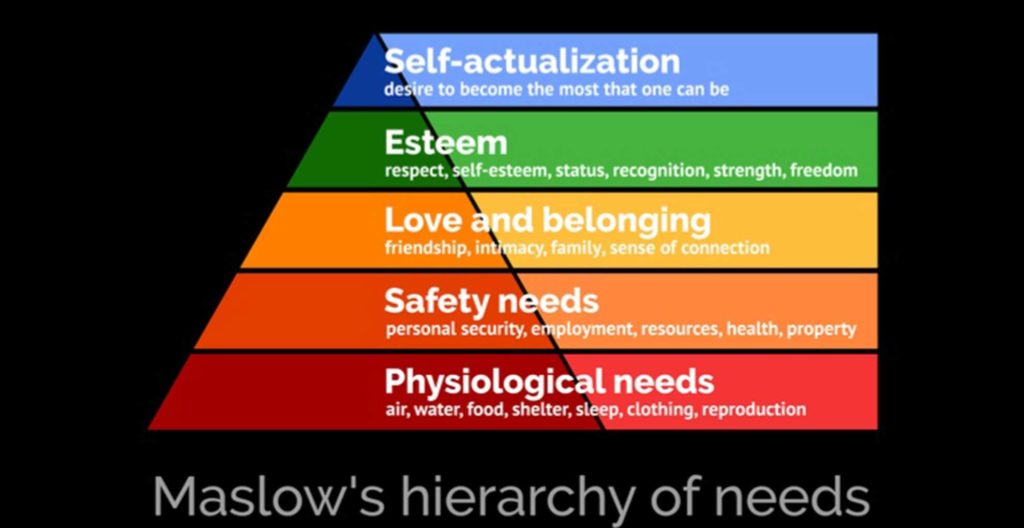
Remember Maslow and his brilliantly simple pyramid illustrating the hierarchy of human needs? Coming in third, only after our physiological and safety requirements, is our need for social love and belonging. We weren’t meant to be solitary beings. Humans thrive and find magic in connection and collaboration. We discover strength, solidarity and meaning through social interaction. 

It’s no wonder we began to gather – and eventually to bring together our social and professional needs in the form of meetings, conferences and tradeshows. These serve to connect us on many levels as professionals, but there’s more to it than that. This is where we meet our tribe. We find a place where we belong and people with whom we relate. This need to connect to other humans is a powerful behavioral motivator.  So, we meet.


Then, the world changed…


So, we are on this new digital marketing journey together. By now, you’ve got your team meeting setup to realign and get online. The next step is to determine new ways of satisfying this human need to connect at a time when live, in-person meeting is difficult or impossible. 


Be brave and bold – your ability to innovate will let you shine like a light in the darkness. 

Here’s how:


  1. Meetings. Online meetings aren’t new, but as often happens in a crisis, we are all moving rapidly towards using technology and taking leaps that we’ve been putting off. Checkout our Online Meeting 101 article for the basics plus some important ideas for innovation.
  2. Conferences. Here’s a secret – a conference is just a formal meeting, or a series of them. We use conferences to connect larger groups of like-minded individuals over an extended time period–and yes, they are still going to happen in the digital universe. We just need to get creative.  Here’s how
  3. Tradeshows. Collaboration with our industry peers is crucial for every business. We need to share common struggles and innovative solutions with each other. Tradeshows are a chance to meet the players and experience their brand activations in action. It can still happen online and we can help.
  4. Events and activations. The most powerful way I’ve found to build brand awareness is through direct interaction with our customers. This category may require the most creative thought. Our natural inclination is to just put our heads down and wait, but that’s not going to start building your sales funnels for the new normal. So, Here are some ideas to overcome this unique challenge.


So, don’t cancel that event – reinvent it. Gather your people together and be the first to try that new thing. Technology offers incredible solutions to meet our human social needs. Take your brand boldly into the new normal. Keep pushing for real, authentic interaction with your tribe and keep your brand top-of-mind. If you need more ideas or a plan to get started, let’s talk. Remember, we are on this journey together.


The next step in our journey is digital strategic engagement and its place in your new normal. See you next week with an article on how to “Engage to be Engaging.” Comment below with your thoughts on these ideas and share your successes.


Wishing you light and love. ~Hema

 

Digital Events and Activations

Not just a cool marketing buzz-word, brand activations are the most powerful way I’ve found to build awareness through direct interaction with our customers. In the new marketing world, this category may require the most creative thought. Our natural inclination is to put our heads down and wait, but that’s not going to start building your sales funnels for the new normal.


So, how do we engage directly with our customers when we can’t be together? Enter the virtual magic:


  1. Purchasing decisions are highly influenced by what our peers are doing. Leverage social media interactions to get your followers to spread the word for you. Tap into our psychological desire to belong, by promoting an opportunity for subscribers to share their “Your Brand Here Moment.” Invite them to take a selfie with your product or of themselves (or their cat, or kid) while experiencing your service. Position the roots of this promotion within the social platform you want to target, so if it’s on Facebook – only sell this item there for a limited time. Create a unique hashtag to unite all the buzz into one powerful voice. Create an entire customer experience from start to finish that engages, taps into real feelings and simply has to be shared.

  2. Use empathy to provide a specific solution directed at your unique audience. Remember that all marketing is identification of a pain-point and then relief of it. So take an empathetic look at your target audience, and find a digital solution to their pain. Use social listening to stay on top of what’s trending and offer solutions to match. For example, as I write this today, we are in the throes of a pandemic which has forced our events and activations online. I know from social listening that my audience wants to know how to take these marketing pieces online and I can help them do just that. Aaah, relief.
  3. Tap into influencers to provide online demos of your brand. Everyone loves a good unboxing video – get your product in front of the world by having the right person demonstrate its use and value while displaying it to their audience. Then share and boost this awesome video strategically to your target audience. This is a highly repeatable method of product demonstration that continues to skyrocket in popularity on social media.
  4. Take the analog events you love and make a bold and brave jump to digital. If you were planning to launch your event at a summer tradeshow – invite your audience to experience the launch online through a hosted and interactive event. Take the best parts of the event and get creative. Send invitations and promotional products to users at home to entice them to join the event while putting your brand in their hand, literally. Inspire interaction and conversation around your launch by setting up discussion groups to promote and review what’s new. Invite industry experts to present or interact with your new launched product or service. Have fun with it.


Events and activations aren’t canceled, they’re changed. And we can pivot our approach to change too. Take your brand boldly into the new normal. Keep pushing for real, authentic interaction with your tribe and keep your brand top-of-mind. If you need more ideas or a plan to get started, let’s talk. Remember, we are on this journey together.


Wishing you light and love. ~Hema

Virtual Conferences

A conference is typically a more formal affair, falling somewhere between a meeting and a tradeshow. While providing attendees an opportunity to connect, your virtual conference should also offer components of learning and community building. It’s not a tradeshow, where you have a group of buyers (attendees) and sellers (vendors/exhibitors). At the conference level everyone attends with a shared passion, vision and desire to expand their knowledge base while making personal and professional connections. So, here’s the formula for taking your conference online:


Setup: 

  1. Jump off with a platform. Just like when planning a virtual tradeshow, you’ll need a digital venue to host your conference. Most virtual tradeshow platforms will offer everything you need and then some, but you might also be able to use a more robust version of your everyday meeting software. There are several good options out there – do your research to find one that meets your needs and get signed up. 

    (Because needs will vary from business to business and legal requirements in your area may differ – I will refrain from recommending platforms by name here, but I’m glad to discuss your needs and help you find the right fit.)

  2. Plan the logistics. Choose the event dates and times as well as the distribution methods of your digital promotional materials.
  3. Invite industry experts to speak. There’s often no better lure to an event than a chance to listen to someone that can help you build your business.
  4. Invite industry brands to sponsor. Sponsorships are a great way to share the cost of the event with other companies while offering them an opportunity to promote their business to attendees.
  5. Invite your potential attendees directly. Before you start inviting people en masse you’ll want to line up some well known industry names as attendees or speakers to lend credibility to your event. You’ll also want to decide how many paid attendees you need to hit your breakeven.


Pre-Show Planning:


  1. Design a digital itinerary for everyone. Detail the time and topics for each speaker, when the breakout sessions will happen and when there will be opportunities for networking and parties. Link everything, so no one has to go digging for it. We want to design everything with the user’s experience in mind. 
  2. Plan engaging content. You want to keep your audience enthralled throughout the event. So design your marketing to match the level of enthusiasm you want from your audience. Keep it sleek and professional. Of course, you can send out a pre-conference kit electronically – but I invite you to consider something different. Especially if you are planning a conference that is typically held in-person, consider spending some of that typically higher budget on a wow-factor for the online version. Send a conference welcome kit to the attendee’s door. Include invitations to the events, itinerary and a drink recipe for the BYOB happy hour you’re hosting. Include promotional products – because everyone loves conference SWAG and we aren’t going to give that up to go virtual. Get them excited with items that inspire creativity and illustrate the level of expertise they can expect from your show.
  3. Plan next year’s conference dates. I know it’s a long way off – but you have a captive audience that you know is already interested in the subject of your conference, right there. Don’t miss the chance to market next year’s event at this one and offer a discount or a premium gift for early-bird registration.


It’s Show-Time:


  1. Provide large-audience meeting formats for keynote and secondary speakers. These can be hosted in your usual video meeting space with some careful planning or within a virtual conference platform. You’ll also want the ability for your speaker to show a presentation as they talk and the opportunity for moderated interaction when appropriate. 
  2. Breakout sessions are the new networking event. One of the best parts of any conference is the socialization. This is where we meet our people and make connections that can lead to new opportunities and long-lasting relationships.  Breakout Sessions on an online meeting platform offer a unique opportunity for a moderator to provide a topic for learning or industry specific conversation starters and then mix and match your audience into small groups to get to know each other and discuss.
  3. Host a party at the end of the event and add virtual happy hours to the close of each day. Don’t miss the opportunity to offer that human connection in a virtual setting. Plan live music intermingled with breakout sessions for people to talk and make new connections. Get your sponsors involved – what value can they add to a social session? Have attendance prizes and encourage people to connect both personally and professionally.


Post-Show:

  1. Follow up and survey. Send a note to attendees thanking them for attending and soliciting their thoughts on every part of the experience. Reach out personally to each sponsor to thank them and to follow up on their perception of value. Offer ways for them to reach attendees, like a list of everyone that joined the conference (with their permission, of course). Encourage them to reach out in order to maximize their investment. 
  2. Debrief. Meet with your stakeholders to discuss next year’s event. Pros, cons, what worked, what didn’t and what you’re going to do next time are all on the table for discussion. Set a date for next year’s first planning meeting – and congratulate yourself on a job well done.


Take your brand boldly into the new normal. Keep pushing for real, authentic interaction with your tribe and keep your brand top-of-mind. If you need more ideas or a plan to get started, let’s talk. Remember, we are on this journey together.


Wishing you light and love. ~Hema