Top Social Media Strategies That Drive B2B Sales

75% of business-to-business, B2B, buyers use social media to make a purchase decision. That is why it is crucial for businesses to have more than a social media presence. B2B sales are the outcome of well-organized social media strategies.

In this guide, we’ll touch on four ways to lead your consumer down a B2B sales funnel. Want to improve your social media to drive B2B sales? Keep reading.

1. Humanize Your Social Media to Drive B2B Sales

Most B2B companies were not early adopters of social media. They’ve lagged behind, and when they do share content, it is robotic. Humanize your content.

This can be done in a variety of ways:

  • Write articles, captions and blog posts in the first person
  • Choose an employee or team to be “the face” of your social media
  • Share unique aspects of your brand missions, such as a commitment to sustainability

Your customers want to get to know YOU. It doesn’t matter that you’re selling to a business. At the end of the day, it is a person on the other end and they want to communicate with real people, just like in B2C.

2. Find a Social Media Expert

B2B marketing is tricky since a lot of times the products are not as glamorous as B2C. A social media expert will be able to create the copy and imagery which will make your products or services appear glamorous to consumers.

It’s about gaining traction through awareness before leads. This is done by harnessing the power of social media storytelling.

3. Choose the Right Social Media Strategies

The first strategy to think about is where you are and where your customers are. Linkedin has proven for years to be the best social media platform for B2B. Why?

Linkedin brands itself as a professional social media network. It is where business people go to make connections. Ensure that your presence on Linkedin is solid.

You can grow your social media strategies outside of LinkedIn too. Focus on where your customer hangs out the most. 93% of B2B companies credit Linkedin as their most effective social media tool.

4. SMART Goals

A common mistake in B2B marketing is a lack of strategy. Creating SMART goals is an easy way to develop a strategy:

  • Specific: List your strategy, outreach, and content calendar here.
  • Measurable: Goals must be measured so you can assess progress and drop anything ineffective
  • Attainable: Set small goals that create incremental progress. Setting unattainable goals will only set you up for disappointment
  • Relevant: Remember your B2B sales funnel and create goals that will lead to conversions.
  • Time: Add deadlines and schedules to keep you disciplined in accomplishing your goals.

SMART goals are a tool used in many industries to measure and improve social media strategy.

Boost Your B2B Social Media

Follow the four steps above to use social media to drive B2B sales. We recommend hiring an expert to develop your social media strategies. This will save you time, but also ensure you maximize your return on investment.

Looking for help with your B2B social media? Contact us to get help.
Drip Email Marketing vs Lead Nurturing Campaigns: Which Should You Use?

If you want your business to boost engagement and drive conversations, it’s no secret that you have to use marketing. Yet, with so many different techniques available, there can be a lot of trial and error at your expense. Luckily, every savvy marketer knows that a bit of market research can go a long way.

Finding out the best way to get in front of your customers will be a win for you. That’s why a lot of companies tend to compare Drip Email Marketing vs Lead Nurturing Campaigns. Which one is better and why should your company use either?

So many businesses have the same questions about email drip marketing and lead nurturing campaigns. We decided to help make it easier to understand which one is right for your company. Here’s everything you need to know about Drip Email Marketing vs Lead Nurturing Campaigns.

What Is Drip Email Marketing?

When you hear a marketer refer to drip email marketing, that usually means a set of pre-written emails or “drips” that will be sent out to current customers and prospects over time. A company can communicate with its customers about product updates, free trial information, and more when using drip email marketing.

What Are Lead Nurturing Campaigns?

Marketers use lead nurturing campaigns as personalized automated messages to help customers along their buyer’s journey. The goal of a lead nurturing campaign is to provide customers with insight that drives a specific action in that journey.

Lead nurturing campaigns are customizable and targeted to nurture a customer until they are ready to buy. They are primarily emails but can be used with any medium, such as social media posts, SMS messages, and video content.

Drip Email Marketing vs Lead Nurturing Campaigns: Which One Is Better?

When it comes to Drip Email Marketing vs Lead Nurturing Campaigns, it’s not a question of which one is better; it depends on the intended goal of the marketing initiative.

If you are trying to guide your customers through the sales funnel until they convert, drip email marketing can be a perfect way to achieve that. If you want customized messages sent to prospective customers based on their activity, it is good to place them in a lead nurturing campaign.

In some cases, your drip email marketing will be a part of your lead nurturing campaigns. For example, a customer comes to your business’s webpage and downloads a whitepaper. You can decide that they need to be in one of your lead nurturing campaigns, and you can use drip email marketing for that.

When to Use Drip Email Marketing

A drip email marketing strategy may be best when you want a timed email message to be delivered to your customers or prospective buyers. If you’ve recently had an event such as a webinar or conference, drip email marketing is a great way to stay top of mind and follow up with your customers.

When to Use Lead Nurturing Campaigns

You want to use lead nurturing campaigns when you have an active inbound marketing strategy in place. It is also a good idea to use lead nurturing campaigns when trying to establish trust and increase brand awareness.

Ready To Power Your Marketing Initiatives?

Understanding Drip Email Marketing vs Lead Nurturing Campaigns can help power your marketing initiatives to become more successful. Yet, using both email drip marketing and lead nurturing campaigns can take your marketing to the next level.

If you are looking for the best way to market your brand, we can help. Contact us today to get started!

Voice Search Optimization – SEO Tips To Rank Better

SEO is one of the most important aspects of digital advertising (and therefore advertising) in the 21st century. Are you aware that less than one percent of people make it to the second page of search engine results?

However, SEO isn’t as simple as creating backlinks and figuring out what people are typing into their phones. Updates in voice searching technology mean that more people than ever are not typing, but speaking their searches.

This means voice search optimization is the next frontier for companies who care about digital marketing and SEO.

This article will act as your voice search optimization guide and walk you through some key principles of how people use voice technology, and teach you how to plan your very own voice search strategy.

Long-Tail Keywords

Long-tail keywords are keywords of four or more words. When people make use of voice search, they’re mostly using long-tail keywords.

Believe it or not, we actually tend to use more words when we conduct a voice search. When we write our thoughts down, we have time to revise, use our internal editor, and take out/add a word before we hit “search”. We don’t have this time when using voice search.

This means that what comes out is less filtered, and often a bit longer. We recommend doing some research into which long-tail keywords are being used to find your company. They’re probably only going to become more and more popular.

Heck, long-tail keywords already account for about 70 percent of searches.

More Casual Phrases

Not only do people search longer phrases when they use voice search, but they also use more casual phrases. With friendly voices talking back to us like Siri and Alexa, it’s no wonder why people feel like their phones in a conversational tone of voice.

Conversational search phrases often come in the form of a question.

People typing are much more aware, subconsciously, that they’re sifting through data. If they want to find a good burger restaurant, they might search “cheap burger restaurant” — cold, calculated, efficient.

However, when they’re talking Siri or Alexa, and using a more conversational tone, they’ll subconsciously want to sound more like they’re having a conversation. Looking for a burger restaurant, they might say “where can I find the best cheap burger?”

Harder Work

Unfortunately, adding casual phrases and long-tail keywords is harder work for you. It’s much harder to work in keywords that practically sentence into your blog content. However, this is something you’re going to have to do if you want to capitalize on the world of voice search SEO.

Understand Voice Search Optimization

If you want to succeed in SEO in 2021, you’re going to have to move beyond typical search engine usage and move into the world of voice search.

The best ways to make use of voice search optimization strategies are to work a little harder and try to work longer/more casual keywords into your posts.

For more information, contact us today.

The Complete Guide to Attraction Marketing

Did you know that half of all searchers use the internet to discover new products? If your marketing strategy isn’t working overtime to attract the attention of your ideal client, then you need attraction marketing.

Don’t worry if you don’t know what that is or how to implement it because we’ve got you covered. Keep reading to learn everything you need to know about attraction marketing and how to create your strategy for success.

What Is Attraction Marketing?

Attraction marketing is the strategy many companies are successfully using to draw their customers to their brand online. This unique approach works to catch the interest of potential prospects and then show them the benefits of your products or services.

If you’ve ever tried a sample at a store, then you’ve experienced in-person attraction marketing. Online, you will notice it any time you see an Instagram Live or YouTube video in which the influencer mentions how much their product helps them achieve their goals.

How to Create an Attraction Marketing Strategy

To get the attention of your ideal customers, you need to create the right attraction marketing strategies. Ultimately, your digital marketing goal is to create content that will pique the interest of your audience by providing valuable information. Once you have their attention, you’ll want to follow these steps:

  1. Tell a story
  2. Focus on the features and benefits
  3. Choose the right channels
  4. Build up your brand

When you follow this formula correctly, your audience will come to you rather than constantly needing to push your message out to them. This is how you can scale your growth as your message will draw in the exact audience who wants and needs your products or services.

Top Attraction Marketing Tips

As you create your content, remember to keep your audience at the center of everything you do. Every word you write, video you shoot, and the images you create needs to be tailor-made for your customers. Follow these tips for success and you’ll draw in your ideal customers every day:

  • Be authentic
  • Build trust first
  • Focus on your audience
  • Educate and entertain

Your goal is to create content that connects with your audience emotionally while also educating them about your product or service. Emphasize the value you offer while also entertaining your audience and building their trust; this is the recipe for success online. Use this attraction marketing guide to create content your audience wants and is searching for every day.

Get Seen in a Crowded Market

The goal of attraction marketing is to get found by your ideal audience who already needs and wants what you offer. And you can do that with this short guide.

If you feel you need more attraction marketing advice, don’t be afraid to reach out to an expert. You don’t have to create your marketing strategy by yourself. We’re here to help you connect with your audience and grow your business today.

Market Positioning Tips for Building a Strong and Unique Brand

Market positioning can seem complicated, but the formula is really quite simple. Use the following tips to ensure your business occupies the minds of your customers.

1. Identify Positive Qualities and Benefits for Customers Using Your Product Or Service

Most businesses provide products or services that have specific qualities that set them apart from the competition. These beneficial qualities can be anything from excellent customer service to amazing materials to cutting-edge technology. Ideally, these qualities fall in areas in which competition does not excel. If, for example, a rival business completely neglects customer service, it could be useful for senior marketing management to distinguish their own business as having excellent customer service.

Once you have identified the qualities that make your good or service special, hone it on it. Focus on developing them and drawing further attention to them, playing them up in advertisements and marketing.

2. Learn Where Your Business Falls on the Price-Quality Scale

As many businesses know, generally speaking, as quality increases, so do prices. Higher production costs and higher-quality materials lead to higher prices. Researching competitors can help businesses understand where they stand on the price-quality scale for the market at hand.

Once you identify where your business falls, lean into it. This can mean playing up the “low price” of your product or talking about how luxurious your product is if it is on the more expensive side.

3. Know Your Audience

Figuring out exactly to whom you are marketing is one of the most important marketing strategies. Once the target consumers have been identified, it is important to use language, imagery and modes of advertisement that will appeal to them.

For example, a business selling lots of high heels may find it useful to target young women. Women who wear high heels likely care about fashion, so portraying other well-dressed young women wearing those heels would make for an effective advertisement.

4. Consider Using Cultural Images, Sentiments Or Figures

Cultural symbols hold a lot of power in society, and marketing personnel can use them to affect consumers even subliminally. Associating cultural phenomenons with your business can help give it a sort of “personality” that makes it easier for consumers to remember your business.

Using anything specific from your business’s region from pop culture as a symbol, logo or mascot can help invoke a positive feeling every time a consumer thinks of your business.

5. Know Your Competition

This was touched on earlier, but business owners should know rival products and services to improve their own products and services and distinguishing their own company. Discovering where your competition is lacking can help you find your business’s niche and create a unique product or service that gives customers exactly what they are looking for.

These simple strategies can take marketing strategy to the next level to be as effective as it can possibly be. Using these strategies can help bring in more loyal customers to enjoy & promote your product or service.

Top 5 Upgrades to Google Ads Features Google Ads

Google is always staying on the cutting edge of search engine technology to help maximize audience reach to consumers so that they can acquire and hold onto their customer base.

The company recently added or upgraded several smart features to their design that are sure to help you expand your internet sales and give you an advantage in sales. Here are the top 5 updates to Google Ads features and how you can make them work for you.

Gallery Ads

Gallery ads are interactive and are found at the top of the Search Engine Results Page. Under the standard text link, a gallery ad provides images that can be swiped.

The visual and creative appeal of gallery ads are undeniable. Early results found a 25% increase in engagement based on clicks and swipes.

Free Listing on Google Shopping

Google Ads features now allows merchants to display products for free. This is also being expanded to the main Google search page. Whereas it used to be that only sponsored items appeared on these pages, now all items have the possibility of appearing based on search relevancy.

In order to take full advantage of this feature, you need to make sure that your product is found on Surfaces of Google. Make sure that you have a website with a structured data markup so that Google can analyze and appropriately place you on the page.

New Customer Aquisition

This new feature will allow you to will help you increase the number of new customers you acquire. It does this by optimizing the conversion value of new purchasers allowing you to focus on those consumers in a way that will build loyalty.

Make sure to connect Google Analytics and Google Ads so you can take full advantage of this feature. Once you can identify your conversions you can then identify your your business goals.

Offline Conversions

Although the world may feel like it runs solely online, there are still a great deal of consumer purchases that happen offline and in person. Often, those purchases go unaccounted for in terms of data collection.

In fact, 30% of mobile queries are local searches and 75% of users making a local search will go to a store within 24 hours. That is information you need to have and Google has now made it accessible. You can now get information about where consumers are going to shop following their searches.

YouTube Advertising

When surveyed, consumers prefer video information to text information. Google is not offering the opportunity to place video ads on YouTube – and it is free until they show interest.

Google’s algorithms allow them to only show ads when it is an appropriate time and the user appears ready to make a purchase. This is an ideal opportunity for you to test out the market, as well as the effectiveness of your video, without making a huge financial investment.

Contact us so that we can help you take advantage of all that Google Ads features have to offer.

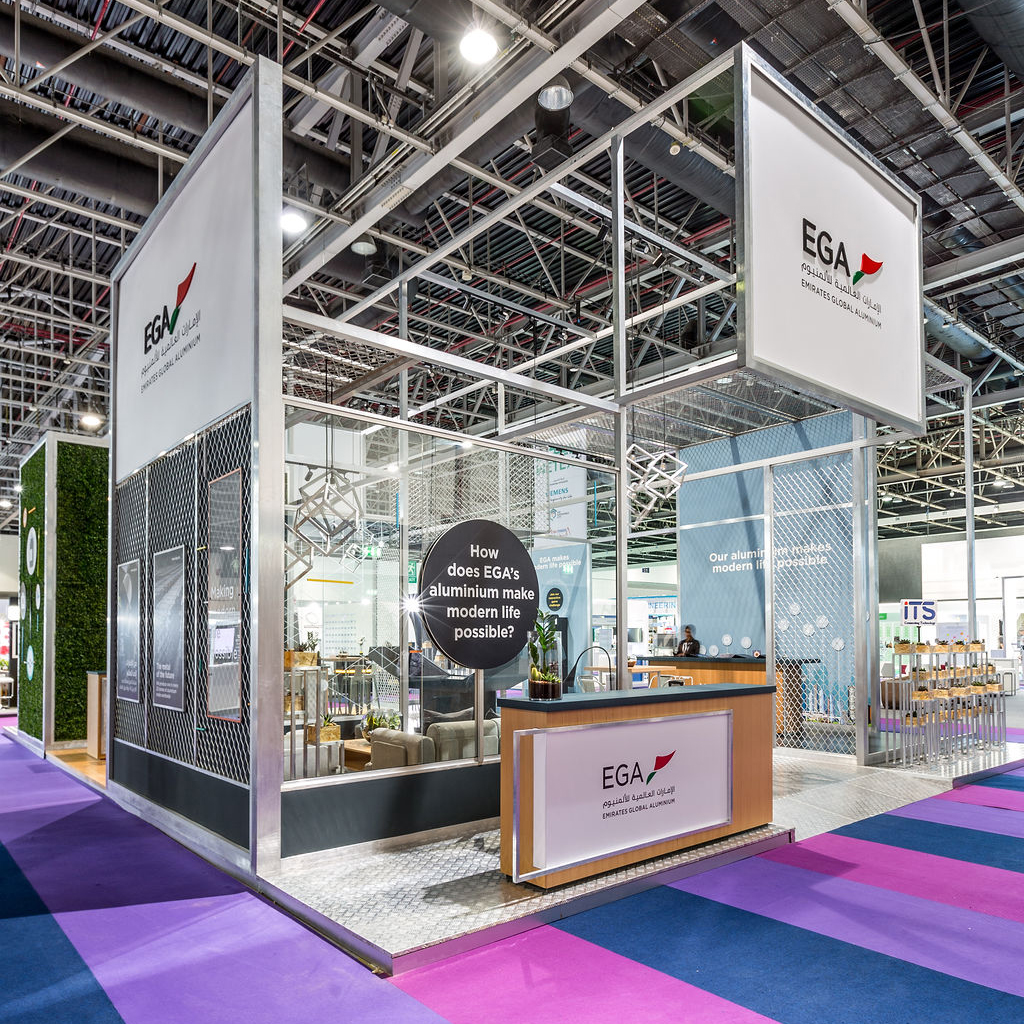
5 Tips on Creating an Exhibition Stand for Your Business

Exhibitions and trade shows are great ways for businesses to get their names out there. You can build connections and relationships with potential clients and improve your reputation in your area.

But what many people don’t realize is that your exhibition stand plays a big part in that.

A bad exhibition stand can be more than just disheartening. It can actually harm your business and turn customers away from you, which is the last thing that you want.

So, creating an exhibition stand that’s eye-catching and enjoyable is essential. But where do you start?

It’s hard to know exactly what you should do to draw people in. Sometimes, planning for an exhibition show may make you feel lost and overwhelmed when you should feel excited.

But never fear! We’re here to help. Here are 5 tips on creating a successful exhibition stand for your business.

1. Book a Strong Location

You’ve probably already heard the all-too-common chant: location, location, location! But how do you know which locations for stands are best?

Well, the main goal is to attract as many people to your booth as possible. So, you’ll want to book a location for your stand that is in a high-traffic area.

Take a look at the layout of the hall in advance. Spots near refreshment booths and on main passageways will work well. It also is a good idea to set up your stand close to popular booths to draw in the crowds, but make sure you stay away from competitors!

2. Maintain a Welcoming Design

You need a design for your stand that will welcome people in. Open-sided booths are good, as are seating areas or interactive workspaces.

You’ll also want to pay careful attention to the physical design of your exhibition stand features. It should be neat and tidy and passersby should be able to easily identify your product or service.

Make sure your exhibition stand is unique and eye-catching to bring people over. You want to strike a balance with the aesthetics – make it organized but not sparse, interesting to look at but not cluttered.

3. Make Use of Giveaways & Branded Merchandise

Branded merchandise is a foolproof way to make people remember your business. Nothing makes people more excited than the word “free”! Plus, it’s a great way to start off your relationship with your potential clients.

It’s also free advertising. If you give away custom t-shirts or tote bags adorned with your brand logo or colors, those people will essentially be walking advertisements for your business every time they wear your merchandise out on the streets.

Just make sure you keep track of your exhibition stand budget and be sure you can afford to give away those items!

4. Book Exhibition Stand Events

Another great way to draw people to your booth is to have special events. Competitions or promotional games are a fun, family-friendly way to advertise your brand. Even at online exhibitions, you can host online games or activities for participants.

5. Research Your Competition

It’s always a good idea to know as much as you can about your competition. Don’t be afraid to draw inspiration from your neighbors. You don’t want to copy them, but a little healthy competition is always good!

Researching your competitors helps you understand what you’re up against. That way, you can better prepare when creating an exhibition stand.

Learn More About Creating an Exhibition Stand

Creating an exhibition stand that sticks out from the crowd is essential at trade shows. The more people that you draw to your booth, the more exposure you get. And exposure is always great for businesses!

Trade Shows, Expos, and Conferences: What Are the Differences?

When you hear the words “event planning” how does it make you feel? Nervous, overwhelmed, and stressed? Or excited, energized, and enthusiastic?

Regardless of how you feel about planning or attending business events, it’s important for you (and your business) to meet exhibition goals. This article will share the key differences between different types of common events, namely trade shows, expos, and conferences.

Discover what makes each of these events unique and successful so that you can plan the perfect event every time!

What Is a Trade Show?

A trade show is a business-to-business event. Each business brings a product or service they want to share (or trade) with other business partners. Trade shows are generally not open to the public but sometimes media members attend. Trade shows will have speakers or group social events too.

Trade shows are a great opportunity to meet business connections and get your business noticed. If you are attending a trade show make sure to have promotional items available (brochures, cards, hats, t-shirts, mousepads, etc.). You also want to create a unique and memorable trade show booth to attract attention.

What Is an Expo?

Unlike a trade show, an expo is often focused on a particular theme. For example, a bridal expo is an event with wedding-related vendors. Couples meet with florists, jewelers, make-up artists, and dress designers to learn about bridal industry trends and decide the vendors they wish to work with.

Expos are a chance for vendors to sell products and services directly to customers. Some expos are open to the public and others require an invitation and/or RSVP. Expos can be local, regional, or even international.

What Is a Conference?

A conference is a large meeting or series of meetings for people with similar interests or professions. For example, a teaching conference might invite a group of elementary school teachers to meet and share information to help each other succeed.

Conferences usually have at least one speaker who is an expert in the field. The conference may offer break-out rooms for discussion as well as networking events to socialize and meet other industry experts.

While conferences used to be held in person, the latest trend in business events is virtual conferences. This type of conference is hosted via videoconference which allows people to join together from anywhere in the world.

Trade shows and expos are centered around sales and marketing while conferences tend to be more information-focused.

Crush Your Exhibition Goals

Now that you know more about trade shows, expos, and conferences, which type of event will you pursue your business? Remember that all of these events are opportunities to make connections, further your business’s brand, and reach your exhibition goals.

If you liked this article and want to read more like it, subscribe to the Big Bold Blog. And if you’re looking to work with our team on marketing, communications, or events, you can contact us online!

Creative Ways To Design Event Banners, Flyers or Posters

Creating Remarkable Event Banners

An efficiently designed event banner or event poster is your brand ambassador which promotes, advertises or creates awareness for your passion project. A professionally designed custom banner will help you reach out to all the business owners and senior marketing managers in your area.

It is estimated that 65% of marketing personnel use eye-catching designs to attract people toward making purchases from their businesses. There is no right or wrong way to design banners, posters or flyers, but these easy-to-follow design tips will help you maximize the desired marketing impact.

Step-by-Step Guide for Creative Designs

With advanced software available in the market, designing creative event banners and flyers is not intimidating or elusive anymore.

Step 1: Decide an Objective

The messages printed on the event posters should be very specific according to the type of event you are promoting in order to attract your target audience.

Step 2: Identify Your Target Audience

The next step is to identify your target audience. They can be business owners, senior marketing management and marketing personnel. Therefore, the language, colors and message should speak directly to your audience.

Step 3: Outline the Location

Each display location requires a uniquely designed poster or banner to match the display backdrop. You can also design and share your flyers and posters digitally on social networking platforms to avoid any distribution hassle.

Step 4: Determine Design Size 

Determine the size that is best for your event before creating the design.

Step 5: Design the Concept

Let your imagination flow and allow all ideas without thinking about having a perfect design. Write suitable headlines to show the event’s objectives. Organize text elements following the theme and size of the banner, flyer or poster. Approach the audience with a short and catchy message that includes a call for further action. Creatively use relevant images and graphics to create a strong impact on the viewer.

Step 6: Create an Effective Layout

The design layout should be well balanced with proper spacing, a visible company name and an optimally positioned logo. The call to action must be explicitly stated for the audience to avoid any miscommunication.

Step 7: Feedback

Take honest feedback about the flyer, poster or banner from industry experts before releasing it. Make appropriate changes accordingly.

Step 8: Distribution

Distribution should be done through both electronic and print media. Use social media platforms to reach your audience. Also, determine the print number to get the flyers, posters and banners printed for distribution in a cost-effective manner.

Use the above easy-to-follow steps to develop some great poster design ideas as communication and branding is the key to running successful businesses and managing events. You can also use template options for designing that are available online through various event graphics company websites.

If you still have any queries regarding designing event banners, flyers or posters, contact us using the form or email us directly to get a quick and customized response.

Grow Your Business with Online Exhibitions

Today, many businesses are choosing online exhibitions to connect with customers and clients. Many companies are relying on virtual meetings and events to weather the pandemic as they offer several advantages to both the brand and the audience. If you’re trying to decide whether to engage your target audience with an in-person event or virtual event, here are some of the benefits of an online exhibition that are too good to be ignored.

Cost-Efficient

Virtual events are less expensive to host than in-person events. Of course, each event, whether in-person or online, is unique. However, the cost of a trade show can run thousands of dollars simply to rent the facility. Other costs may involve speakers, food, insurance, materials, staffing, etc. A virtual event can reduce your price tag by thousands. Keep in mind that attendees can also save money on travel costs, which may entice more people to signup for the online event.

Larger Audience

A virtual event can accommodate many more people than a physical event. As fewer cost is involved, the online exhibition allows you to target the global market and generally bring in a larger group of qualified leads who are genuinely interested in what is being offered.

Longer Lifespan

The main incredible thing about online events is that they can be enjoyed for a longer period of time than face-to-face events. The potential customer can access & go through the event content at their own pace and can even bring in some important leads even though the event has ended.

Better Analytics

When you host an in-person event, it can be challenging to monitor your attendee’s behaviour. Online event analytics gives companies a more accurate picture of event performance & attendee’s responses. These data will help you build better events in the future and find ways to stand out from the crowd.

Online Exhibitions Here to Stay?

Once this pandemic situation gets back to normal, online exhibitions will likely be still around. Many businesses have realized the importance of virtual technologies and their valuable benefits.

But right now we cannot predict what the future holds. Online exhibition events are likely to stay and companies will plan the perfect balance between physical events and online benefits.

If you’re thinking about hosting an event online but are unsure where to start or what technology to rely on, Big Bold Thinkers can help. We offer flexible and scalable marketing and event solutions for all types of businesses and organizations. We can help you design an online event that’s strategically aligned with your business and digital marketing goals. Contact us today to learn more.