How to Easily Incorporate Video into Your Customer Support Strategy

Have you been struggling to find a way to make your customer service more successful? We have the solution for you! Introducing video! Video is an excellent tool that can help increase conversions and improve customer satisfaction. These tips will show you how to incorporate video into your current customer support strategy, so read on to learn more about this easy-to-use and effective marketing technique.

What Is a Customer Support Strategy?

A customer support strategy is a marketing technique that can help improve and maintain your reputation with clients. It also helps to retain current customers while attracting new ones. It is typically a step-by-step plan you have in place for improving how you interact with customers and the interaction metrics linked to those initiatives. It allows you to create better communications, improve customer service, and ultimately increase the rate of success of your brand. A successful customer support strategy must be interactive, consistent, and secure. It must also include the infrastructure and processes you need to hold your customer support operations.

Use Short Videos to Answer Frequently Asked Questions

It’s easy to get overwhelmed in a call-center environment. As a customer service representative, how can you make sure that customers are happy and want to continue their call? By offering quick answers to their questions. If your business is struggling with customer service, think about how you can use short videos to answer frequently asked questions. Since most customer service professionals have little time to spend with each customer, videos allow them to take care of their customers faster and quicker.

  • Post your videos on your company’s YouTube channel.
  • Put a link to the relevant video in the email when customers send inquiries to you via email. This way, they can watch the short video before replying to their message with more information if needed.
  • Include them at every possible customer touchpoint: support desk chat, phone, email, and social media.

This strategy is a surefire way of making sure that customers are satisfied without keeping them on the line for long periods of time.

Resolve Customer Issues with Video Chat

Video chat is a great way for you to resolve customer issues in real-time. Imagine if you could see the person’s face when they’re telling you about their problem, not just hear them over the phone! If your customers are having trouble with an order or want help setting up their account, video chat is a terrific solution. You can get all of your questions answered quickly and easily without any confusion.

Video chat has also become popular among businesses as it provides security by being able to identify who someone is before talking with them on the phone or in person. Video chat is also great for businesses that operate internationally because it allows the customer to see what you’re doing on your end in real-time, which can make them feel more secure and safe from fraud. It also makes things easier on both ends, as there’s no need for support staff to repeat themselves.

Build a Library of Training Videos

If you want your customers to understand how to use your product or service, it needs a training video. Let me show you how to create one in just five minutes with these simple steps:

  1. Record a one-minute introduction about the topic you’ll address in the video.
  2. Explain what will happen in this training on screen.
  3. Show step-by-step instructions for using your product or completing the necessary task.
  4. End with another one-minute recap about what was covered.

Create Customer Onboarding Videos

Creating customer onboarding videos can be a great way to guide customers through the process of setting up their accounts. It’s important for businesses to provide clear instructions and guidance for customers on how they should use your product or service, so they get the most out of it, but the video is an even better option because you are able to show them exactly what they need to do.

In the age of digitalization, where time is more precious than ever before, it’s important for businesses to adopt new strategies to help their customers. Videos are a great way to answer frequently asked questions without having to spend too much time on each call. Have you tried this technique? What was your experience like? Let us know in the comments below!

Eye-Catching: Best Practices for Using Call-to-Action Buttons

Just over half of small businesses had a website in 2017. While things may have changed in the past four years, it is startling to see how many of us still struggle with the technology we use every day. It also gives us an impression of how vast the internet is.

The good news is that we’re here to help. We understand that setting up a business website can be difficult, even if you’re internet savvy. One of the toughest challenges is creating call-to-action buttons.

What is a call-to-action button, though, and how do you make one? We’ll answer those questions in the paragraphs below.

What Is A Call-to-Action Button?

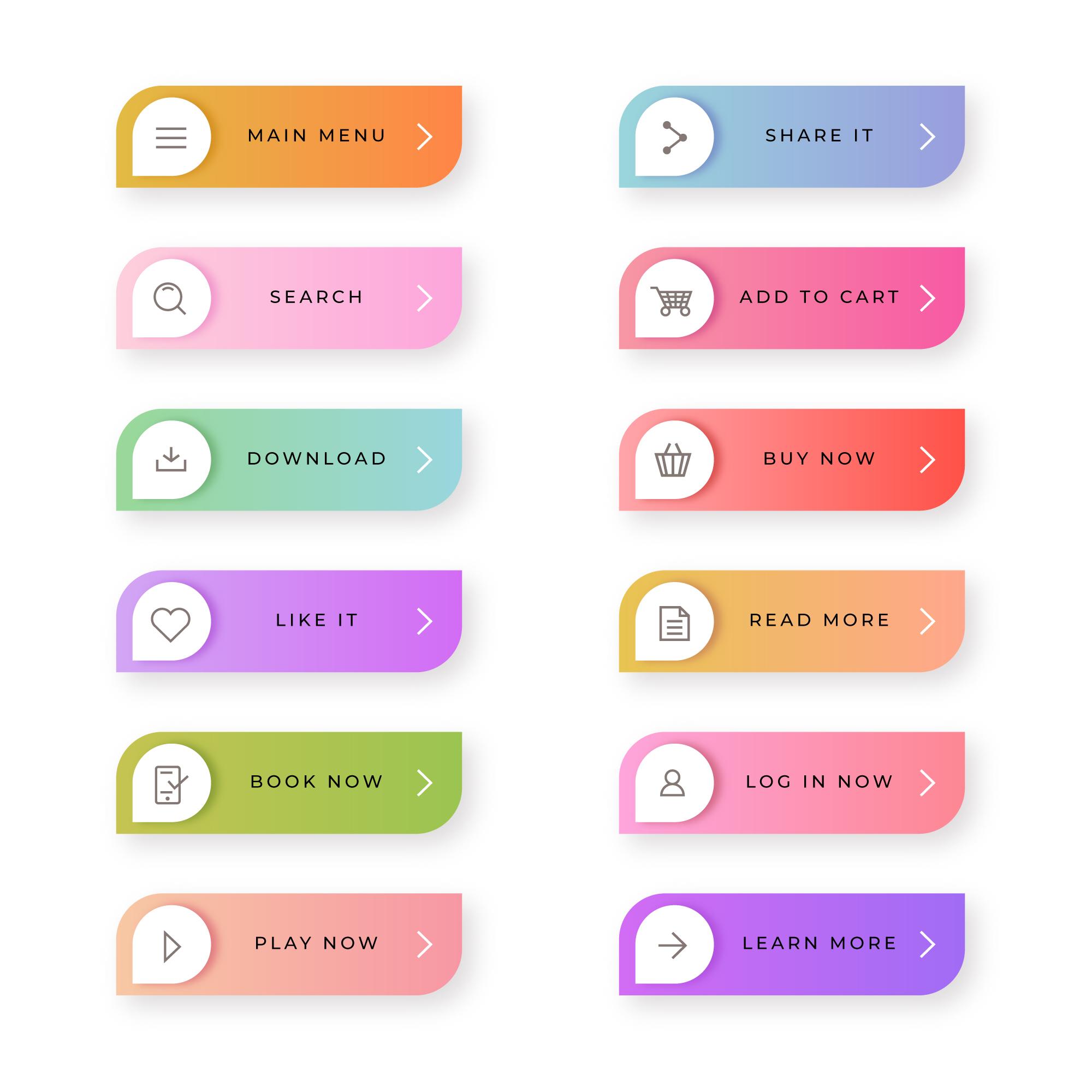
Before we set up a call-to-action button, we should discuss what a call-to-action button is. A call-to-action button is a button that takes the user to a certain part of your website.

The button is paired with a call to action, which encourages the reader to do something, like shopping at their store or reading more about them. There are a lot of call-to-action uses, but they all share the goal of attracting clients.

1. Clear and Concise

A successful call-to-action should utilize active words. Active words clearly outline what you want from the customer. ‘Click the link’ for instance, isn’t a great choice of words because it doesn’t tell the reader where the link leads.

The best call-to-action buttons use phrases like ‘contact us,’ ‘write for us,’ and ‘read our blog.’ We know the moment we read them what they’ll do.

Calls-to-action should be more than clear, though. It’s important that you use as few words as possible. You may be an incredible writer, but nobody will read an entire page just to click a link.

2. Use Colors

Good call to action buttons use color to great effect. Color can be an excellent way to make your call-to-action buttons stand out. Your buttons should contrast against the background to make them more eye-catching.

If you want to play to the odds, certain colors work better than others. The two most successful seem to be orange and green.

Knowing the right color combinations can also help you promote your business in other ways.

3. Button Uses

Deciding what to do with a call-to-action button is often a difficult choice because you have so many options when it comes to advertising. Many companies choose to put calls to action on their social media accounts.

According to statistics, over 95 percent of Fortune 500 companies used social media in the past few years. The majority of the planet uses social media in some capacity, so it’s a great place to find customers.

 What to Know About Call-to-Action Buttons

Setting up call-to-action buttons can seem confusing, but it gets much easier once you have all of the information. We’ve offered some advice in this article, but there are more ways to use a call-to-action button than we could cover in a few paragraphs. Feel free to do more research or come up with your own ideas if you wish.

If you want to know more about business and marketing please visit our site. We encourage you to contact us if you are in need of marketing for event-planning services.

How to Measure the Success of Your Online Event

Virtual events have become popular in the contemporary technological world. Different insights on event metrics such as attendance rate show that this popular phenomenon, online events, is here to stay. The question on everyone’s mind now is how they can determine the success rate of virtual events and better them in the future.

Although the impact of the pandemic necessitated the shift from in-person meetings to online events, companies now have more reasons to run virtual events. The benefits that companies accrue from virtual events are visible: they present a diverse option to reach a wider audience at a low budget.

KPIs for Measuring Virtual Event Success

Here are top event key performance indicators (KIPs) that use event data such as check-ins to help you evaluate if your online event attained its intended purpose.

1. Event Registration and Check-In Numbers

Begin analyzing your online event by comparing the numbers of registrations against check-ins. You can get a broad picture of the attendance numbers by focusing on metrics such as age groups, locations, income levels, demographics, and preferences. This information is a vital indicator in comparing event performance over time.

2. Level of Attendee Engagement

The main reason for low engagement levels in an event with high attendance is poor quality content or presentation. Built-in features such as chats and contests can improve user engagement. You can measure attention by monitoring the messages in the chats during an event.

Explore various virtual event engagement techniques to keep your audience excited in your upcoming online presentation.

3. Duration of Attendee Retention

Indicators that signal a failure in the audience’s retention include many participants leaving midway and insufficient engagement levels. You can find real-time information on the dashboard of your online event platform to help you track attendance at different intervals.

4. Quality of Social Media Mentions for Your Virtual Event

Social media has become among the fastest-growing platforms with a large population of clients. Every marketer hopes to see their attendees posting and sharing information about their event. Although social media metrics on mentions are essential, it is also important to evaluate the quality of different mentions.

5. Number of Post-Event Survey Responses

Prepare effective survey questions to collect the response metrics of your online event. Be sure to get feedback if your online event was either disappointing or impressive. Measure response rate and participation in this survey.

6. Active Participation and Response Rate in Your Virtual Event

The best way to measure retention is by analyzing the response rates. Incorporate a question and answer session in your virtual event. You can also measure the success of the event by tracking the rate at which participants ask questions.

7. Level of Speaker Ratings

As virtual events become mainstreams, it is important to ensure that speakers deliver creatively and interestingly to enhance retention rates. Check the Q&A answers for the speaker’s ratings. This analysis will help you retain influential speakers to increase attendance in subsequent events.

Measuring the Success of Your Online Event? Get Started Today!

Every virtual event company wants to leverage the 85% of Americans that access online platforms daily to optimize their business. Although all the above KIPs metrics are essential, they apply to individual event’s budgets and goals.

Whatever KIPs you choose to improve on your strategy, contact us today, and we can help you enhance the success of your online events.

6 Reasons Why Face-to-Face Events Still Matter

You probably don’t need us to tell you that COVID-19 did a number of face-to-face events.

In the wake of the pandemic, businesses have leapt with both feet into the world of virtual events. Yet as things begin to trend back to normal, do face-to-face events still hold an appeal? We think so.

Here are six reasons why face-to-face events still matter.

1. The Intangibility of Sociability

Many intangibles govern our social interactions—more than we often realize. Everything from micro-expressions to the way we stand can influence the opinions of the people we speak with.

Digital events can make all interactions that much harder as a result. Conversations can come off stilted and awkward, and not everyone feels comfortable negotiating that digital interaction space.

Put simply, face-to-face events are more natural to us, which completely changes the way we interact. We’re all still apes, in the end.

2. We Like Stuff

That ape thing? It applies in other ways, too. For instance: we love to touch things.

The digital world is dissatisfying to us on an instinctual level because it doesn’t accommodate that instinct. At events, there are tangible things to look at, interact with, and take home. All of these things stick better in the memory—and are more fulfilling—than virtual interactions.

3. The Happenstance Factor

Some of life’s best opportunities come from happenstance.

There’s very little room for happenstance in digital events, though. You’re unlikely to bump into your next major client or have a mutual acquaintance hook you up with a new business partner. Digital events are typically too structured for this and lack the human element of chaotic interaction.

For these unplanned but incredible occurrences, face-to-face events remain the king.

4. Building Communities

As digital living has taken over our lives, community spirit has waned. That’s as true in the business world as it is in our daily lives.

Face-to-face events are an excellent way to reverse that trend. By meeting in person, we can network, interact, and built strong business communities that benefit everyone. In a way, this is the long-term, big picture outcome of the points above.

5. Projecting Your Identity

One big problem facing businesses suddenly forced into a mostly digital space is the loss of identity. The talking heads of a Zoom meeting can feel neutral, void of business personality, no matter how exciting your employees are.

When attending face-to-face events, you get a real chance to put your brand’s personality out there and make a statement.

6. They’re Fun!

No matter how much we love our jobs, we all enjoy some time out of the office now and then. Face-to-face events aren’t just a chance to do business, they’re also fun and a chance to get away from everyday operations.

By contrast, digital events can feel like just another virtual meeting. They don’t offer that variety and, in a world where we’re increasingly glued to screens, they don’t offer a chance to get away from things.

Why Face-to-Face Events Still Matter

If you’ve wondered why face-to-face events still matter in an increasingly digital world, then wonder no longer. If digital had all the answers, we’d have all made the switch a decade ago—so it’s clear that face-to-face events still have their place.

Looking for an event marketing upgrade? Check out our events & activations services today.

Digital Transformation FAQ: Your Top Questions, Answered

Is digital the final frontier for business? Whatever the case, it’s definitely the latest.

Digital transformation represents the most recent technological arms race of the business world. Yet many businesses still find themselves behind the curve, even wondering what the fuss is about.

Wonder no longer. Here’s our digital transformation FAQ to answer your top questions.

What is Digital Transformation?

Digital transformation isn’t the most elusive of jargon: it’s about transforming your business through digital technologies. The term is self-explanatory. What digital transformation looks like is the complex part.

In many ways, digital transformation has been happening for decades. Yet the term tends to refer to the modern uptake of technologies that have transformed the business world in the current millennium.

One of the most common examples lies in cloud computing. With cloud computing, companies can transform their business by storing and accessing data without the need for large local servers. We can already start to see how this can reshape a business.

Why Does Digital Transformation Matter?

Digital transformation has changed the way we do business. For many companies, it means increasing growth and revenue while leaving behind traditional limiting factors. For instance, a small business can go longer without needing to scale up its premises by leveraging cloud computing.

For all its benefits, there’s one overriding pressure that makes digital transformation matter: competition. As more businesses in an industry enjoy the benefits of digital transformation, those who fail to keep up fall further behind. Even if the digital transformation doesn’t feel like a pressing need for your business, it soon will when your competitors outpace you.

What’s the Best Digital Transformation Strategy?

If there were a one-size-fits-all answer to this question, many business owners would sleep easier at night.

Unfortunately, the most effective digital transformation strategy varies from business to business. There are some basic recurring themes: increased automation, technologies like cloud computing, and so on. Yet if you want an accurate vision of what your transformed business will look like, you’ll probably need an expert consultation.

One of the keys to effective digital transformation is to focus on business needs. Many companies go wrong by buying into technologies that don’t improve their daily operations. By focusing on the business case for tech, you ensure a match between your objectives and the tech.

What are the Benefits of Digital Transformation?

The benefits of digital transformation are as many and varied as the technologies that make up the field. Here are a few common examples:

  • Scalability: Businesses have fewer traditional limiters, like the cost of tech or a lack of office space
  • Collaboration: Real-time project collaboration from any location
  • Efficiency: Automation can increase efficiency by an order of magnitude when applied well
  • Customer Experience: Customers can benefit from digital interactions with the business, like access to apps and chatbots

Digital Transformation FAQ: Your Questions Answered

Digital transformation has become a fact of life for businesses in the current decade. If you’ve been left in the weeds by questions about the topic, then this digital transformation FAQ should have cleared things up for you.

Looking for ways to transform your digital marketing? Check out our digital marketing services today.

AI-Generated Content for Content Creators

If you’ve ever seen The Matrix movies, you are familiar with AI (artificial intelligence). Do you ever get the feeling you are living in a simulation? The fact is that artificial intelligence has quickly become integrated into our lives so well, you have become accustomed to it.

Have you ever come across an article that sort of feels not 100% human? Chances are it was some AI-generated content. What is AI-generated content?

Read our guide below to learn the pros and cons of AI-generated content.

Pros and Cons of AI-Generated Content

When weighing the pros and cons of AI-generated content, it comes down to an individual or company’s morals and choice. If you are a part of a digital marketing team, should you choose AI-generated content or not?

Pro: Makes Work Easier

One of the main pros of AI-generated content is that it makes everyone’s jobs a bit easier. You won’t have to have so many people on staff when you have AI on your side. Profitability will likely increase as a result because you’ll be able to crank out content at a higher clip.

You can shift your focus to higher priorities when bringing AI-generated content into the fold too.

Pro: Human Touch

One of the main benefits of AI-generated content is that it is made by humans. While we may be living in a simulation or matrix, at the end of the day, it’s still humans “writing the ship.”

Whatever you wish to program into the machine, the machine will follow the command. Developers and professionals alike will teach the computer through written algorithms and code. This means that the AI-generated content can easily be tweaked to your liking.

Pro: Cross-Platform Reach

Cross-platform reach is one of the biggest benefits of AI-generated content. You can drastically increase your work output when AI is in the mix. You can operate with a skeleton crew with more independence and freedom than before.

Things like communication will be leaner too. You won’t have to worry about the quality of the content going by the wayside either.

Con: Zero Opinions

When AI-generated content is being produced, you’ll notice the absence of subjectivity. Artificial intelligence will be able to handle things like features of products for example. Where it will miss the mark is when it needs to give an opinion.

The beauty of things being written by humans, is that we can interject our personal experiences and stories, right?

Con: Lacks the Human Element

One of the disadvantages of AI-generated content is that it doesn’t handle depth too well. While it can handle a larger volume of content, you may find yourself scratching your head at what is being written. Nothing can replace the human element.

Con: Inability to Generate New Ideas

The way AI-generated content works is by inputting data to chew on. The inability to generate new and fresh ideas is one of the disadvantages of AI-generated content. AI doesn’t have common sense like humans.

AI Is a Tool Not a Replacement

Remember, it’s best to see AI-generated content as a tool, not a replacement. Whether you are doing personal work or on staff, it’s best to use a blend. If you rely too heavily on one format, people may miss the human touch.

If your company needs some digital marketing work done, please reach out to us! Our purpose is to make you look good.

How to Create a Brand Voice That Boosts Your SEO Strategy

If you own a business, you already know how important it is to have a digital presence and a loyal base of followers on the internet. According to new information from the PEW Research Center, 85% of Americans are on the internet daily, with over 30% online constantly throughout the day.

The question is how, do you connect with them and convert them into customers? The answer is simple – through an effective SEO strategy and consistent brand voice development.

Keep reading this comprehensive guide to learn how to create a brand voice and use it to give your company an SEO advantage over the competition.

1. Decide Who Your Target Market Is

You may be wondering what is brand voice anyways? It has to do with the way you connect with your consumers, the way you communicate as a business.

With that being said, to develop a compelling brand voice strategy, it’s critical to know who your customer base consists of. If you haven’t done any research on your target market, now is the time. It would help if you researched to find things like their:

  • Age range
  • Interests/ hobbies
  • Average income
  • And preferences

Knowing your customer base can help give you clues about how you should develop your brand voice and what style to use.

2. Develop a Brand Personality

When thinking about your digital marketing strategy, it’s important to consider who you are as a business and what you represent, or what your values consist of. These traits and tendencies become your brand personality over time – it’s the way you are viewed in the customer’s eyes.

You should also consider what the consumer wants from you. Do they want you to be funny? Or do they want you to keep it professional? The more you know your customers and what they want from you, the easier it will be to develop your brand personality.

As your brand personality is developing, it will become an integral part of your brand voice strategy.

3. Stay Consistent

A significant component of building a brand voice and gaining an SEO advantage is staying consistent. Being consistent on all platforms, including social media, can help you find new consumers and engage with existing ones.

Social media is a critical component in any digital marketing strategy. According to recent information, nearly 80% of all individuals have at least one social media profile. The secret is to stay consistent with content and to engage with users regularly.

4. Evaluate and Adjust

Like with any SEO strategy, it is vital to evaluate and adjust your performance regularly. You should be evaluating things like where your website traffic is coming from, is it from:

  • Organic content
  • Social media
  • Videos

You can track the performance and see where you are most successful with gaining traffic. Then, adjust your content as needed. If people are less engaged on your socials, consider altering your brand voice strategy slightly and see if you notice any improvements.

Developing Your Brand Voice: Getting Started

The most important part of developing your brand voice and enhancing your SEO strategy is getting started. The longer you wait, the more time the competition has to pull ahead. Remember to stay consistent and let your unique brand connect with the consumers.

If you are ready to grow your digital presence and develop your brand voice, contact us today, and we can help you get started on your digital journey.

How To Keep Attendees Engaged During a Virtual Event

With the current pandemic, most marketers have resulted in virtual events. These events offer various benefits, such as greater audience reach and increased revenue. But, there’s one major drawback: virtual fatigue.

Most people are constantly on their screen with back-to-back video calls, which can be very tiring and boring. To keep your attendees engaged and invested in the event, you’ll need to find ways that can combat the videoconferencing fatigue.

Here are some essential tips to improve digital engagement.

Spark Anticipation

To get your audience excited about a specific virtual event, consider delivering something beforehand, which makes them look forward to the event. For example, you can let the attendees know that the speaker will be a prominent or famous person. You could also include a printed schedule that lets the attendees know what they’ll gain and learn from the event.

Keep Your Audience Engaged

Most people tend to have short listening spans. It’s essential that you keep the audience engaged by asking questions and giving them time to share their ideas. Call them out by name as you ask questions to keep them focused and attentive.

Another great way to keep your audience engaged is using polls. Polls allow the audience to share their opinions and compare their thoughts with those of other attendees. This can be very insightful, especially in generating ideas.

Implement Breaks During Virtual Events

While breaks may give room for the audience to leave and not come back, having breaks is crucial in reducing the need to multitask. If you state in advance that there will be breaks at a certain point, your attendees can avoid multitasking since they’ll have time to handle other tasks.

Before the break, you can tease your audience with an exciting story or announce to cover a great topic after the break. That way, every attendee will be looking forward to the next session. During breaks, you can also treat your audience to a virtual lunch by sending gift cards before the event.

Ensure the Presenter Is Engaging

Live events can be boring if the presenter is not engaging or interesting. Virtual events can be even worse since there are so many distractions and no one else near you to keep you engaged. Be sure to find a presenter who can engage the audience and incorporate storytelling into their presentation.

Entertain Your Attendees

One effective way to combat virtue fatigue is to keep your audience entertained. You can invite a well-known singer or a magician to entertain the audience during the event. If it’s too technical, you can have the entertainment part prerecorded for the event.

You can also use games to engage your audiences in winning prizes. For example, you can have the attendees interact with each other and reach out to sponsors. In return, award them for taking part in the games.

Make Contingency Plans

Virtual events can get distracted by technical glitches. Be sure to have a contingent plan to ensure the event still runs as planned, even in a hitch or technical problem. That way, the audience can remain engaged without any disruptions.

Regardless of how the pandemic plays out, virtual events will still carry on. It’s best that you ask for feedback from your attendees on ways to optimize or improve their experience. You can also leverage the right tech to ensure you get the best virtual experience for your audience in the future.

If you’re planning to hold a virtual event, consider contacting the Big Bold Thinkers to get several creative and marketing services to make your event impactful.

The Change and Adaptation of Corporate Meetings

Do the words “virtual meeting” bring a chill down your spine? Or do you enjoy the option to wear comfy pants during corporate meetings?

Whatever your stance is on the matter, we can all agree the virtual meetings were the savior of 2020. When COVID-19 stopped in-person meetings, the corporate world had a choice: shut down the business, or move the office online.

As we continue to open up the world post-vaccine, virtual corporate meetings don’t seem to be going anywhere. However, in-person events are coming back (with some slight changes.) Keep reading to learn about the future of corporate events.

Virtual Corporate Meetings

There is a strong chance that everyone reading this article has attended at least one virtual meeting. According to this study, the number of meetings per person increased by 12.9%! Whether that meeting was for work, pleasure, or even a wedding, you’ve experienced what it feels like to go virtual.

While virtual meetings bring their own set of challenges (cue the millions of “your mic is off” moments we’ve all witnessed), they have proven to be helpful. Virtual meetings can help to bring more people together whilst also cutting costs on travel, lodging, and event management.

As we progress through the reopening phase, don’t expect to be rid of all virtual meetings. Especially with the number of workers who want to continue working from home. In fact, 70% of managers in this survey are more open to flexible remote working models than ever before.

All this to say: if you haven’t gotten comfortable with using a virtual meeting platform yet, you should! For more tips on how to create a powerful online event, check out our blog post here!

In-Person Corporate Events

Don’t let the statistics above fool you: lots of people are more than excited to get back to in-person events, (especially those living alone or living with children.)

While large in-person events may take some time to appear on your calendar, you can expect to see some events with a few changes. Let’s discuss what those changes may look like:

Smaller Events

We’ve spent more than a year either alone or with fewer people, so the thought of walking into a giant corporate meeting may scare away your staff.

Why not start planning smaller events?

Smaller corporate meetings offer more space for personalization and teamwork: more people can participate in exercises, there’s more space for movement, and costs can even be cut dramatically.

The adaptation of corporate meetings to be in smaller groups can offer a lot of benefits to your employees and the company as a whole.

Outdoor Events

If you are still looking to host many employees at one event, you may want to look into outdoor events.

Studies have shown that the concentration of viral particles of COVID-19 is higher indoors than outside, which means that outdoor events are proven to be safer.

To ease your employees back into in-person corporate events, you may want to opt for an outdoor space. Transitioning back to “normal” is hard enough, why not make it easier on your team if you can?

Corporate Meetings Will Continue to Change Form

Technology has drastically shifted the way that corporate meetings function. If all of these changes can happen in just one year, think of what will come in the future!

The look of corporate meetings might change, but the purpose is the same: strengthen your team and grow your business. If you’re looking for more tips on how to do that, check out our blog!

If you are looking to grow your business through marketing, contact us! We’ve got your back.

Why Gamification is the Latest and Greatest Way to Engage

Did you know that 95% of employees like using elements of gaming in their work?

If you want to find more ways to engage your employees, clients, and potential clients, gamification might be the answer you’re looking for.

Here is a breakdown of gamification and how it works.

What Is Gamification?

Gamification is the process of adding a game or play-like element to your work or website. It’s a way to have your employees or clients engage with your content on a new and enticing level.

Highly engaged employees less likely to leave your workplace and do better work in general. However, considering only 29% of millennials feel engaged at their jobs, companies need to figure out how to re-engage their millennial workforce.

If you are looking to market yourself uniquely, gamification works the same way on potential clients. Potential clients remember gamified content and are more likely to come back because humans are inherently competitive.

The Evolution of Gamification

Gamification has been around for years now, but it didn’t start gaining traction until the 2000s. Video games are built on the principle of behavior reinforcement through reward.

At their core, rewards programs can be considered gamification. Still, it wasn’t until later that companies started playing with the idea of adding actual games or game-like elements to their websites.

With the invention of apps, gamification came to the forefront. Companies like FourSquare and Pokemon Go brought gamification into the mainstream. Uber also uses gamification through its stars program.

Gamification Drives Engagement

Here is why and how gamification works.

Humans are wired for play and reward systems. So when we achieve points or level up, it releases dopamine in our brains, making us feel good.

If you use gamification, it ensures your client or employee associates your brand or website with a positive experience. This builds positive neural pathways in their brains to your brand.

Gamification also draws employees and clients in because it makes them feel like they are in control. In addition, they get to choose how to interact with your brand, which makes their experience more enjoyable.

How You Can Use Gamification

If you want to try to implement gamification at your company, there are a few things you should keep in mind.

Adding a game for the sake of adding a game likely won’t get you anywhere. Instead, it would be best to consider a clever way to integrate your product or service with the game element to leave a lasting impression.

These days virtual event gamification can also help keep your remote workers engaged. Offering a virtual trivia night where employees can keep a running tally of who is winning

Gamification Is a Powerful Tool

Gamification could be the answer you’re looking for to drive engagement on every level.

If you can think of a great way to integrate your brand with a gaming element, you will see an uptick in engagement.

Want to know how to add gamification to your marketing strategy? Get in touch!