How To Create a Great First Impression With a Grand Opening Event

Are you ready to launch your business with a grand opening event? Whether you’re opening a new location or introducing your business for the first time, it doesn’t hurt to celebrate your success. What better way to do so than having a grand opening?

This is also a great way to get your name out there, especially if you’re the new kid on the block. Studies show that 19% of new small businesses fail because they can’t keep up with the competition. A successful grand opening can give you the headstart you need.

But how do you plan a grand opening event? This article covers some great tips to help you make a grand first impression. Read on to discover more!

1. Decide on the Type of Event

Creating brand awareness is the central goal of any grand opening event, especially if you’re a new business. You want to kickstart foot traffic, so you don’t have to spend months building momentum. Put your best foot forward and show off your products and services.

It may be tempting to add fancy streamers and decorations. However, it’s best to ensure that your decor coincides with your business. Choosing relevant decor shows that you’ve been planning this seriously.

Depending on your target market, there are many grand opening ideas at your disposal. Some include hosting a party, supporting a charitable event, or throwing giveaways. Hold an event where the audience can experience your product or service, encouraging them to return for more.

2. Plan Your Grand Opening Event

A grand opening event has a lot of moving parts, so don’t be afraid to plan months ahead. Aside from planning the experience, you also need to think about staff and marketing. Consider working with an event manager to keep things clean and concise.

3. Set a Date and a Budget

Event preparation, holidays, and weather conditions are factors to consider in event scheduling. You may feel surprised how it can affect the number of attendees present at the ceremony. Pick a date that can guarantee visitors.

It’s also good practice to set a budget for your event. You don’t want your business to fall short after overspending on an opening event. Experts suggest using 20% of your entire budget in the first year on marketing, but be careful not to use it all in one day.

4. Promoting Your Grand Opening

You can have the perfect presentation, venue, and staff, but it’ll all be for nothing if no one attends. Once you’ve finalized the details and flow of the ceremony, it’s time to start promoting. Ask your employees to invite friends and family.

You can put up outdoor signs, update social media accounts, or get media coverage. A great way to tap into a market is by offering what all customers love: free things! By making the event feel more exclusive, you’ll have people buzzing in no time.

Make a Great First Impression With a Successful Grand Opening Event

Opening a new business location is a time for celebration and locking in new opportunities. This ceremony will not only be for you but also for potential customers. A great first impression is sure to make your business everyone’s new favourite shop.

Need help planning your grand opening event? That’s where we come in. Contact us today, and we’ll help you achieve the true meaning of grand.

6 Unique Ways to Repurpose Content

There are about 1.88 billion websites on the internet. On this vast amount of sites, there’s a countless number of articles, videos, and other pieces of content. If a business wants to succeed, it has to pump out a constant stream of content.

But after a while, it gets hard to put out content that’s new, original, and unique. This is where a content repurposing strategy comes in. If you can repurpose content, the keys to the internet are yours.

But how exactly does it work?

This article will walk you through a few ways to repurpose content and how you should structure your content repurposing strategy.

1. Adapt Blog Posts

Blog posts are one of the easiest ways to bang out quick and effective content. They’re not necessarily easy to write, but if you hire a great blog writer, they’ll be able to pump out several high-quality articles a day.

Creating video content is one of the best ways to attract clicks in the 2020s. It will also help people stick around on your website and thereby generate better SEO. But how do you come up with great ideas for content?

We recommend adapting your blog posts.

If you have a blog post that your readers particularly enjoyed reading and your writers enjoyed writing, consider turning it into a video. Use the medium of video content to deliver a more visual-based approach to whatever topic you’re going for.

Use the blog post as a jumping-off point, but don’t feel too married to its structure. What works in words is different from what works on the screen. Hire a great director to take care of the video content — you need someone who understands this visual medium.

2. Expand in a Podcast

Podcasting is one of the most binge-able mediums out there. In fact, 144 million Americans listen to podcasts. If you have some wonderful recording equipment and two employees who are great at rattling off entertaining banter, consider creating a podcast to expand on the content you put out.

Podcasts are flexible. You can turn everything from infographics, articles, videos, emails, and even updates into a podcast. As long as the people talking are entertaining, you can stretch the podcast out to a pretty considerable length as well.

3. Create a “Reader”

A “reader” is a type of literary anthology that was popular in the early half of the 20th century. It was compiled as a sort of “best of” of a particular writer. You could read them to get an idea of what the writer was all about.

These often contained excerpts from larger works out of context. They proved that some of the best writers don’t need the advantage of completion to show how great they are. They can communicate their life-enriching messages, plots, and characters in the scope of a few chapters.

Why not create a similar anthology for your blog?

At the end of every week, month, or year (depending on how often you want to do it), consider creating a little weekly “reader” of the best articles and excerpts from articles from that period. This will satisfy your followers who just don’t have enough time to catch everything.

4. Update Old Posts

It’s no secret that blog posts are largely based on the news cycle and what’s popular. They might be written quickly before all of the relevant information has come out to gain clicks. This isn’t dishonest, it’s playing the game.

However, when more information comes out, it’s a blogger’s duty to keep track of the situation. Consider revisiting some old articles you wrote and updating them with more relevant information. You can republish them on your site as well.

While you’re at it, you might as well touch up the article. You might even have a new writer write a response to the original at the bottom to gain the advantage of perspective.

5. Export to Social Media

Not all of the work you do has to be on the same platform. Maybe you can rework your old content and transfer it to a social media platform.

It won’t do any good to copy and paste the text of an article into many tweets. However, you’d do well to take advantage of the specifics of your social media platform of choice.

If you have a lot of young followers, consider hiring a hip young person who knows how to spread information through TikTok (there are many informative TikToks out there). If your crowd is more Instagram-centric, consider creating an infographic.

6. Head to Quora

Quora is unique in the world of social media. Though it technically falls into the parameters of “social media,” it’s used differently than others. People flock to it specifically to get answers to questions, and most interactions are one-off — they aren’t followed up.

You can go over to Quora and answer people’s questions by essentially reposting your article. This works for several reasons. First of all, you’re helping someone out. Helping someone solve a problem is one of the best ways to provide value, which people will rush to repay.

Secondly, you’re making a stamp on Quora that future users can come back to and find any time.

Quora needs to become part of your digital marketing strategy. If you create a great content strategy this way, you set yourself up to make one of the best content strategies of the 2020s.

Use These Methods to Repurpose Content

It’s not easy to keep up with the constant flow of content in the 2020s. This is why it’s important to learn how to repurpose content.

Repurposing content doesn’t just help you rehash old ideas, it also gives your team more time to rest and prepare the next big thing. Developing strategies to reuse old content is crucial in moving forward.

If you need help getting started on your content repurposing strategy today, check out our digital marketing services and get in touch.

Augmented and Virtual Reality 2022: Changing the Way We Market

The world looked on, perplexed and disturbed, as the strange video whizzed past all other content on our social media feeds, taking front and center.

Online responses were a mixed bag of amusement and discomfort. The announcement seemed to come out of nowhere and be everywhere all at the same time. You know the one – Mark Zuckerberg’s creepy video presentation of Facebook’s name change to Meta.

In case you missed it, Zuckerberg came out with a doozy, explaining not only Facebook’s rebrand but also its new vision: a self-proclaimed pioneer in the Metaverse.

Amidst the uproar of reaction articles, tweets, TikTok videos, and hilarious Icelandic parodies, the business world is divided on what to make of it.

Maybe because it is an uncharted territory or just too reminiscent of The Matrix, business owners are missing a golden opportunity. The Metaverse market is projected to grow by over 75 billion dollars in the next four years alone.

Virtual reality (VR) and augmented reality (AR) are taking the world by storm. They will change the way marketing, advertising, and PR are done forever.

If your business hasn’t gotten on board yet, it’s time. Here’s how to not get left behind.

The Web 2 Win

“Pic or it didn’t happen.”

The phrase is still an apt description of our culture. Web 2, or the social media paradigm, has captured and maintained the most coveted prize in the marketing world: the people’s attention.

If something doesn’t live somewhere on the internet, we doubt its truthfulness.

Most of us live on our phones, scrolling for nearly a third of our waking hours—which translates a third of our entire waking lives. And the marketing community knows it.

Television only had the power to advertise to us when we were at home. The advent of social media brought an endless stream of algorithmically tailored, digital billboards to our workplaces, schools, bars, and even (especially?) our bathrooms.

All through our smartphones.

But digital marketing realities are changing again, and this time, we aren’t just going to look at the internet; we are going to live on the internet.

Virtual Reality IS Reality

Some hesitancy in the world of marketing’s approach to virtual reality and augmented reality is a failure to understand what made Web 2 work. Social media isn’t “the real world,” sure, but if it is a fantasy, we sure do spend a lot of time immersed in a fantasy. Fantasy has become an integral part of our lives.

Web 3 is a catch-all term for the next phase of online digital media. It focuses on plunging us deeper into the digital world (VR) and bringing the digital world into the non-digital world (AR).

Either way, a time is coming when we won’t have to stare at our phone screens to see uniquely tailored ads or digital marketing.

The virtual and non-virtual worlds will be so intertwined that life, love, and commerce in one domain will demand engagement with the other. 

For example, ”going to work” will be more than a binary choice between pandemic era options of working remotely or commuting to the office. With VR, people will be able to go to work at a digital office as the avatar version of themselves without their physical bodies ever leaving the couch. They will attend virtual meetings and interact with their fellow employees’ avatars.

The same will be true of bars (online avatar mingling spaces), comedy clubs, concerts, dates, and more. People will enjoy real human experiences in a virtual world.

With advances in wearable technology, the digital world is also jumping into ours with increasing regularity.

Life in the Metaverse

You can see a journalist’s preview of an admittedly premature virtual landscape in her Metaverse experience video.

While spending 24 hours with a virtual reality headset on is not recommended for anyone’s general wellbeing, the journalist was able to show the world what life and work in the Metaverse look and feels like right now.

She went to a digital office and had meetings with her fellow employees via their avatars. She socialized with strangers all over the world. She even watched a live comedy show with friends.

All of this to say, if we haven’t accepted this inevitable collision course of the digital and non-digital realities, we are living in a fantasy.

A Blended Reality

Through the power of VR, people are playing the most challenging games of ping pong ever without an actual paddle in hand, a table in front of them, or even a human opponent.

They’re sweating afterwards.

They play against computer programs in technology like the Oculus Quest 2, and the experiences feel real.

The haptics in the controllers creates the illusion that players are making actual contact with the ball. The way the little orb buoys in the air and flails into the net at breakneck speed when they slam it feels the same as real-life games.

The feelings—anger at losing, satisfaction at winning, and dismay when the fun is over—all feel real.

This is just one example of how VR constructs an engaging, immersive experience, enlisting the use of at least 3 of the 5 human senses.

Anyone worth their salt in advertising, marketing, or PR knows that what you make people feel is the most important thing. And the way to incite feelings in people is to engage as many of their senses as possible. To immerse them in an experience.

VR and AR aren’t going to take people out of the non-virtual world, they are going to bring a variety of new experiences into the non-virtual world. AR and VR are an opportunity to engage people’s senses like never before.

The New Era of Marketing

Businesses are now able to manufacture marketing experiences that incite stronger feelings than ever possible in the 2-dimensional space of smartphones and computer screens.

If businesses want to succeed in the new era, they have to meet people where they are. In the virtual world, the non-virtual world, and the places those worlds overlap.

One great way to do this is to learn how to craft marketing, digital marketing, and experiential marketing from the best in the business with an event or activation.

You may want to learn the principles of marketing in this brave new world. You might want to immerse your teams in an engaging, multi-sensory, handcrafted experience that will elevate them to the next level in business. Whatever you are looking for, Big Bold Thinkers has the expertise and courage to help you develop marketing, advertising, and PR that will work in all iterations of the Web.

Big Bold Thinkers knows how to blend the cutting edge with the tried and true. They offer marketing consulting and support, immersive marketing events, and innovative digital marketing to help you grow your business and learn the principles that will guide your team into a bright future.

Big Bold Thinkers are future-focused and always paying attention to the advancement of technology that will change the way people engage with businesses and make decisions about products or services.

AR and VR are just two of many exciting new ways that people will be experiencing Web 3.

Big Bold Thinkers wants to help your business get there first. So that, by the time the masses arrive, you are already there in the Metaverse, ready to welcome them and show them what they’ve been missing.

Brave New (Virtual) World

I’m sure you still have a million questions about how this new world is going to work. What are the best practices? How can we learn more?

Well, for starters, your business is going to need a tool belt full of strategies for marketing and advertising in the world as it is now and for the world just over the horizon.

Don’t wait and try to play catch-up when virtual reality and augmented reality have completely changed the world. Get the knowledge you need for marketing the right way in the current paradigm, for marketing in the future paradigm, and for navigating the transition between the two.

Getting Started

You can start here to learn more and get the latest developments in the industry. If you are ready to take your business marketing, advertising, and PR to the next level with innovative marketing realities, Big Bold Thinkers can help with that too.

The world of tomorrow is already here. Don’t let fear or uncertainty keep your business from evolving and thriving in the next stage of online engagement.

Contact Big Bold Thinkers today, and watch your business reach greater heights than you ever thought possible… in every reality.

How the Metaverse Will Alter Digital Marketing Campaigns

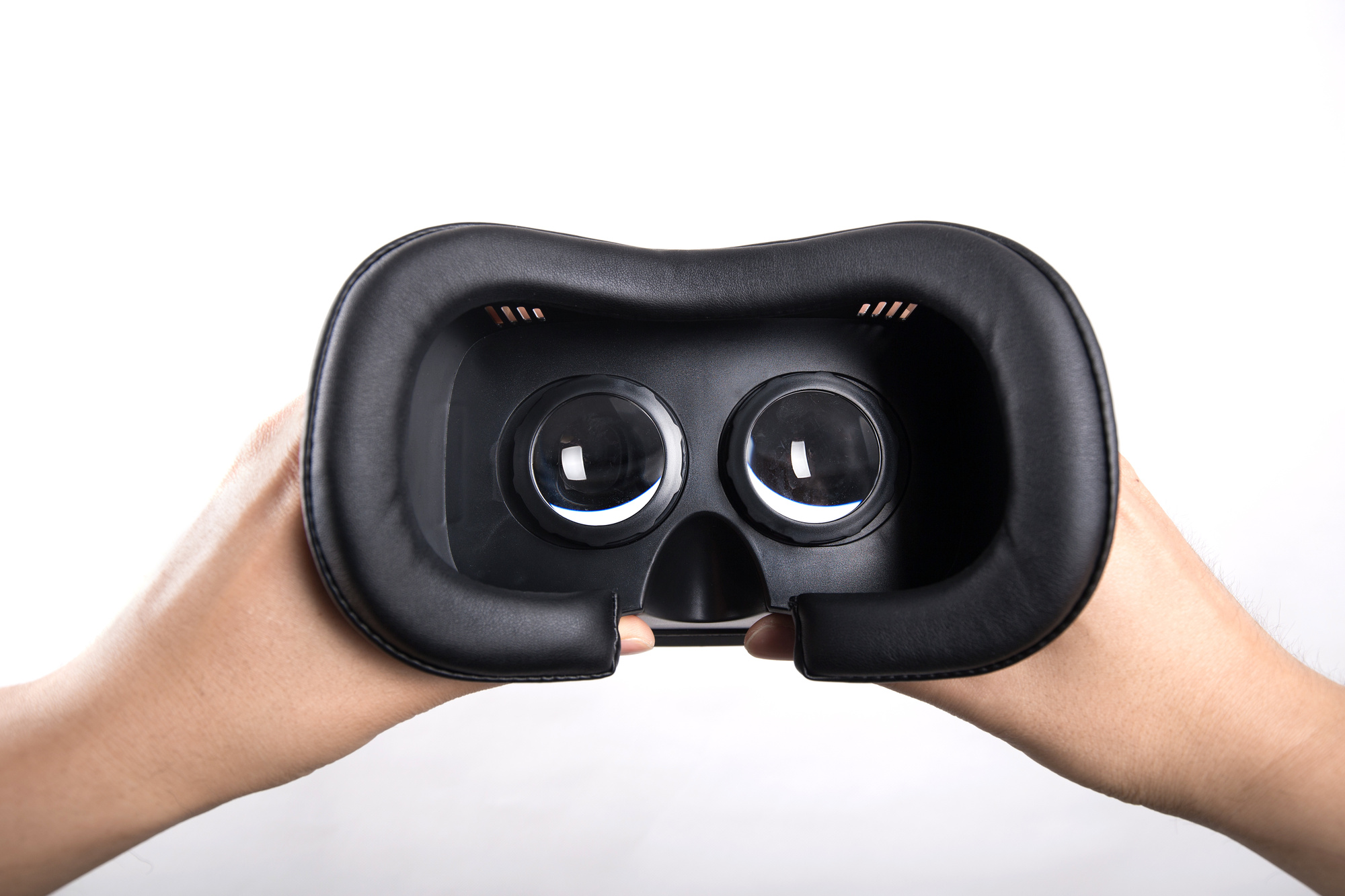
Oculus VR headsets have been around for about a decade. They’ve been used in tourism conferences, for example, to give attendees a three-dimensional taste of a city or country. But augmented reality (AR) and virtual reality (VR) tech have been steadily developing over the years. Within the next decade or so, we’ll be immersing ourselves in an entirely digital and interactive realm, the metaverse. How could this new sphere affect the future of digital marketing campaigns and the work that you do?

What’s Currently Happening With Virtual Reality and Digital Marketing?

Gaming brands and companies such as Fortnite and Roblox are natural early movers in this space. They enable users, most of whom are members of Gen Z, to create virtual assets and socialize via avatars.

Decentraland is another virtual platform owned by users who transact with the blockchain currency, Ethereum. Users build and monetize appealing virtual entities and destinations, and it’s a burgeoning social commerce society with hundreds of thousands of registered users.

Brands like Chipotle, Verizon, Nike, Lil Nas X, and Vans are partnering with Fortnite and Roblox and getting in on the VR action. High-end luxury brands like Gucci are already experimenting with branded experiences, virtual sponsorships, products, and dressing rooms. These moves expand brand recognition among the younger demographics Facebook’s Meta is obsessed with.

And yes, non-fungible tokens (NFTs) are in the mix, and influencers too.

What Might the Future Look Like?

Sure, there’ll be fun and recreation. But metaverse simulations are set to change everything from education and HR to manufacturing processes. Of course, retail will transform too.

Augmented reality can be a gamechanger for in-store experiences, providing as much info as a consumer needs to decide and purchase. Virtual pop-ups will be par for the course. And out-of-home advertising will include billboards in metaverse locations suggested by digital marketing analytics. This is a planet where event marketing at a live Quidditch match, for example, is possible. You’ll still probably have to focus on SEO, with users using voice search to find what they need.

Imagine the potential and scope for B2B and B2C digital marketing and every stage in the customer journey. Only an inability to tell a compelling story can limit you.

The Bottom Line

Marketing teams are starting to make sense of this growing futuristic universe, and a once-nebulous concept is becoming less abstract. Big brands with marketing dollars to spare are already throwing money towards initial forays. And it’s only a matter of time before smaller companies figure out what the metaverse can do for their growth and longevity.

Contact Big Bold Thinkers in Dubai

A positive attitude, deep research, and forward thinking are at the heart of everything we do. Our integrated marketing agency partners with brands to create meaningful digital and real-world experiences. Subscribe to our blog or get in touch for more information about our wide array of services.

These Marketing Tips Help Your Event Planning Business Pivot

Every so often, external factors present shocks to various industries. The COVID-19 pandemic and harsh financial climate produced just such a downturn in events planning. Event demand and needs have changed, upending the status quo. Here are some ideas to help your event planning business market itself during good times and bad.

Communication is Key

If you have an existing client base or set of followers on social media, apprise them of relevant regulatory changes. Sympathize with their own changing circumstances. You demonstrate expertise and nurture customer relationships by displaying compassion and sharing knowledge.

It may also be a good idea to let customers know what’s going on with your business. Storytelling can be pretty powerful and consumers become invested in your success as an SME. You don’t want to pull the sympathy card out all the time, but if it’s brand-appropriate, it can keep your company afloat during a crisis.

Stay Consistent

Pay attention to your digital marketing if you’re venturing down new paths. You don’t want to confuse your social media audience. Maintain clarity by directing followers to new company-related accounts that cut down the clutter in your feed. Data and analytics can give you necessary clues about what’s working and where there is potential.

Think Out of the Box

Mentally prepare to change the way you do business. Aim to make your company more versatile and flexible, so there’s less chance that financial or natural disasters can bring you to your knees.

You have to pull up your mental sleeves and get creative to survive trying times. Be strategic and look for glimmers of opportunity in your current context. Remote events, for example, allow so many more people to participate in events.

In addition, consider how you can offer clients value without taking a knock. Ask for feedback when you experiment, and you’ll be able to finesse your approach to ensure satisfaction. In the events profession, customer service is king no matter the season.

Explore Digital Events

If you’re in the corporate events and conferences game, you’ll have realized quite early on in the pandemic that digital events are no longer the future; they’re the present. And additional capabilities such as holograms are going to become popular in the age of the metaverse.

For everyone else, consider using now-common platforms like Zoom to plan new takes on traditional events, whether wholly virtual or hybrid. You can ratchet up anticipation or the experience itself with teaser packages, event boxes, and other tangible deliverables.

Contact Big Bold Thinkers in Dubai

We live in a dynamic world, and if you’re marketing an event planning business, you’ll need to respond to various challenges quickly. Our integrated marketing agency can help you navigate new realities with optimism and insight. Subscribe to our blog or get in touch for more information about our wide array of services.

Upcoming eCommerce Trends That Will Impact 2022

Imagine spending all of your time preparing your eCommerce store only to get zero sales when you launch. Before you quit your store, consider what eCommerce trends you’re using and if they apply to the current year.

If they don’t, you may want to change something to help get your store out there. Then, you can increase your sales and make your online business a success.

Read on to learn more.

Faster Delivery

One of the biggest existing eCommerce trends that will continue into 2022 is fast delivery times. Customers don’t want to wait days or weeks to receive something they order online.

Companies such as Amazon already offer delivery in one or two days as well as same-day delivery on some items. All eCommerce businesses should focus on improving shipping times.

Of course, this can be difficult when relying on third-party couriers. However, companies should look into ways to ship more quickly, especially to local buyers.

Some businesses may choose to use DoorDash and similar services for local deliveries. Then, customers won’t have to wait for the mail to receive their orders.

Direct to Consumer

A massive advantage of selling and shopping online is the ability for companies and consumers to connect. Businesses can sell straight to the end-user instead of to a wholesaler or some other middleman.

That way, the business can charge customers less to help buyers save money. Companies may also have more control over sales and inventory, so they can keep from running out or having to restock a wholesaler.

The growth of eCommerce has allowed more businesses to sell to more people. You don’t have to make a deal with a big-box retailer to get your product in front of more people, so you and your buyers have more power.

More Cryptocurrency

Cryptocurrency has been gaining popularity for a while, and it will have an effect on eCommerce trends for 2022. Some governments have created official cryptocurrencies for their countries.

As this growth increases, more and more businesses will start to accept cryptocurrency as a payment method. Platforms such as PayPal already allow users to buy and sell cryptocurrency.

So if your business accepts other digital payments, it’s easy enough to accept cryptocurrencies. However, you should make sure adding new payments won’t lead to a security incident or breach that could compromise your private information.

Prioritizing Sustainability

Consumer behaviour can be an excellent marker of eCommerce trends. Many people are starting to care more about buying from companies with sustainable business practices.

Buying from sustainable businesses is particularly important for younger consumers. If you want to compete, you should focus on making your business more sustainable, such as switching away from plastic packaging.

Companies may also want to be more transparent about the origin of the materials they use. That way, the business can build trust with its customers, which can help get more sales from buyers who want to help the planet.

No matter how you focus on sustainability, make it part of your business. You may be able to set yourself apart from the competition, so you don’t have to compete with lower prices or similar tactics.

Reusing and Reselling

A more specific eCommerce trend that can help with sustainability is an increase in reselling vintage and second-hand items. Platforms such as Poshmark and Mercari allow people to sell their old clothes.

However, some people have taken to selling on those websites as a full business. Sellers may be able to see an increase in sales as more people want to buy second-hand.

Any business can also figure out ways to use or sell old inventory. Instead of burning old items, like some luxury brands do, consider how you can make use of the items, or sell them on second-hand marketplaces.

Better Chatbots

Another one of the big eCommerce trends for 2022 is the use of good chatbots. A chatbot can work at any time, and it can help shoppers find products that they want.

Chatbots will become more common, especially as artificial intelligence (AI) improves. You can use chatbots to answer simple questions and perhaps even make a few extra sales.

The bot can track consumer behaviour to provide more personal answers. Then, customers won’t have to aimlessly browse your website and risk not finding what they want to purchase.

Growth of Video

Video content has been gaining traction for years, starting with YouTube and now with the growth of TikTok. eCommerce brands can use video to promote their stores and individual products.

The videos you make can be entertaining or informational, and they can showcase your products. You might make a video sharing the benefits of a specific product, while another video covers how to use it.

Filming a video is particularly helpful if your product requires a bit of demonstration to understand. But videos can also help market simpler products, especially when you’re looking to get new customers.

On platforms like YouTube, you can link to the product in your video description to help customers find it. Then, you’ll be able to get more sales, and your customers can have a better idea of if a product is right for them.

Focus on Customer Loyalty

The growth of eCommerce has made it easy for people to make money online. However, that same growth has also brought in quite a bit of competition from other sellers.

If you want to maintain your customer base, you may want to offer a loyalty or rewards program. You might offer a free item or a discount code after a certain number of orders.

Another option is to offer a subscription program, like Amazon Prime. Customers can pay a monthly fee for access to fast shipping, free shipping, or other benefits.

You may also choose to send an email newsletter with exclusive discounts, such as for new product launches. Then, you can get sales from your loyal fans, and you won’t have to find as many new customers to stay profitable.

Mobile Shopping

About 56% of all web traffic was on a mobile device in 2021, more than any other year. Odds are, that growth will continue in 2022, so you must make sure your website is mobile-friendly.

The easier you can make shopping online on any device, the better chance you’ll have of making sales. When working on your website, most platforms let you preview and edit the mobile version.

You should keep the mobile design clean and simple so that people know where to go. That can help people get to where they need to go, and they won’t have to struggle to buy something.

Social Commerce

Another one of the big eCommerce trends for 2022 is social commerce. This is where people can buy items on a social media platform, like Instagram.

Social commerce allows people to make purchases without leaving their current app. That can take away some opportunities for the buyer to decide not to go through with the order, so you may get more impulse purchases.

You may also use social commerce if you choose to work with influencers. The influencer can add product tags to their posts, so their audience can buy the products of yours that the creator recommends.

Livestream Shopping

If you want to use social commerce, you can pair it with livestreams to help sell your products. Live videos allow you to demonstrate your products, answer questions and connect with your followers.

Getting to interact with your business may help some followers decide to buy what you’re selling. Many Livestream platforms let you include links in a description to make finding and buying the product easier.

Another benefit of a Livestream is that you can usually leave the video up for the public. Instagram lets you turn livestreams into a video to live on your feed, and YouTube livestreams can stay on your channel so that viewers can watch and shop later.

If you want to do livestreams, consider when your audience is the most active. Then, you can choose a time when more people will be able to tune in and watch you.

Shopping With Augmented Reality

Augmented Reality (AR) will also play a crucial role in eCommerce in 2022. Using AR allows customers to “try before they buy” without having to go to a physical store where you sell the product.

A customer can get a good idea of how the product will look in their home. Then, you may be able to lower return rates and see an increase in happy customers.

AR can help customers feel better about buying furniture, clothing, tech equipment, and more. The technology may not work for everything, and some people may still want to make a return.

However, buying online has always been a bit of a risk. Offering AR to customers can be a great way to lower their risk when they buy from you.

Which eCommerce Trends Will You Follow?

Each year brings with it a set of new eCommerce trends, and 2022 is no exception. Whether you choose to focus on sustainability or video marketing, you should consider a few trends.

Then, you can compare them and decide which will work the best for your business and customers. Soon enough, you may be able to get more sales and build customer loyalty.

Do you need help promoting your eCommerce business? Learn about our digital marketing services, and contact us to get started.
Capture Customers’ Attention With Custom Banner and Signs

Using Custom Banner and Signs for Effective Outdoor Marketing

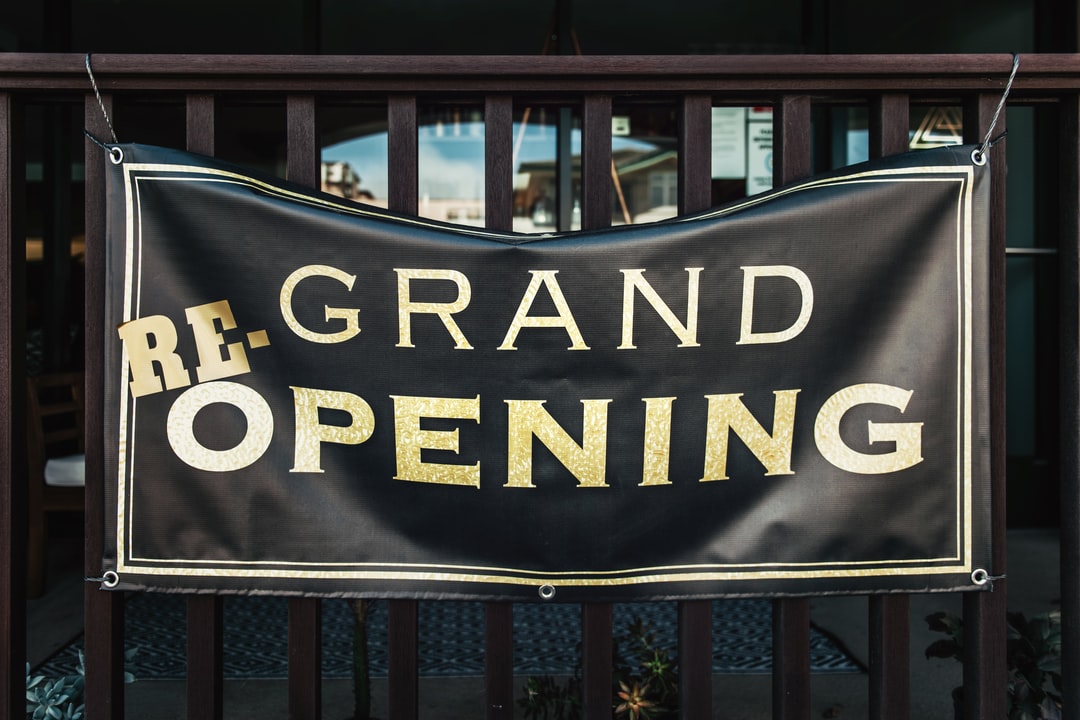
Custom banners and signs are effective tools for advertising outdoors because they effectively capture people’s attention. They add a unique dimension to your advertising strategy because they engage with your audience in real life, thereby having a visceral impact unlike that of any of your online campaigns.

Successful businesses tap into this and other advantages of custom banners and signs. Other benefits include their versatility, which lets you choose custom banners or signs with finishes, colours, images, sizes and typeface that matches your brand. Choosing the right custom banners and signs can create a buzz around your brand in your community.

This article briefly outlines the types of custom banners and signs and the benefits of using them for your outdoor advertising.

Types of Custom Banners and Signs

Vinyl Banners

These custom banners are popular because they are customizable, durable, inexpensive and versatile. You can easily switch between having them indoors and outdoors because they’re tear-resistant, so you don’t have to worry about damaging them when you move them around. If you store them properly, you can use the vinyl banner and signs for a long time.

Fabric Banners

If you plan to invest in fabric banners, go for high-quality ones that are easy to reuse, wash and store. Doing so is cost-effective and environmentally friendly. The downside of fabric banners and signs is that they don’t do well in harsh weather and fade.

Mesh and Other Types of Banners

The custom banners and signs are lightweight and translucent. They’re typically used outdoors because they’re wind-resistant and durable. You can, however, use them indoors. Besides vinyl, fabric and mesh, other types of custom banners and signs include

  • Wall-hung banners
  • Ceiling banners
  • Retractable banners
  • Pop-up displays
  • Feather banners
  • PVC banners

Benefits of Using Custom Banners and Signs

Custom banners and signs are an excellent addition to your signage strategy for attracting new customers. Here are some benefits of custom banners and signs.

  • Capture attention cost-effectively. You can cost-effectively attract people’s attention to welcome your customers, announce a sale or create awareness about your business.
  • Improves brand awareness. Your customers see your message multiple times, which grows your audience and increases the number of walk-ins.
  • Maximize impact with mobility. You can move your custom banners and signs to positions with maximum visibility and impact.
  • Augment your advertising campaigns. Adding custom banners and signs outside your business can complement your interior signage and make your overall advertising campaign more engaging.
  • Direct your customers. You can use custom banners and signs to provide directions to your business and make it easy to find.
  • Use long-lasting signage. High-quality custom banners and signs can endure most weather conditions and last longer while maintaining their lustre.

Market Effectively With Custom Banners and Signs

Custom banners and signs can make all the difference in your advertising. They’re available in different varieties and benefit your business in several ways, including cost-effectiveness, high impact and durability. Contact Big Bold Thinkers today to learn how to market effectively using custom signs and banners.

Security Breach vs. Security Incident: What’s the Difference?

All over the world, there are 2,200 cybersecurity attacks per day. That’s over 15 each minute!

Digital attacks are on the rise and cybercriminals are growing ever bolder. So, it’s important to have a good understanding of different website security threats and elements of data security.

If you’re unsure of the exact difference between a security breach and a security incident, read on to find out.

What is a Security Breach?

A security breach means data or systems have been accessed by outside forces.

This could come in the form of information being stolen, systems being damaged, or unauthorized control being taken of a system. Essentially, it means outside forces have been successful in breaching your security.

If you’ve experienced a security breach, it’s absolutely vital to get expert help as soon as possible.

What is a Security Incident?

A security incident isn’t exactly desirable, but it’s a little less serious than a security breach.

This means that your information and systems have been compromised in some way, perhaps through the presence of malware. Although your information may not have necessarily been accessed, you certainly need to take action to deal with the threat.

Ignoring a security breach can lead to major problems down the road. Even if your information wasn’t compromised on this occasion, it could be only a matter of time until your defences are breached.

Take Care of Your Data Security

Your system security is absolutely integral to the long-term success of your business. Clients and customers won’t give their business to a company that can’t be trusted to keep their information secure.

If you’ve been subject to a security breach or a security incident, it’s absolutely vital to shore up your digital defences.

Our blog contains lots more information and tips on maintaining good cybersecurity.

Growing Website Security Threats

Your company website is another potential weak point in your online defences. A well-known website with plenty of users is likely to attract all kinds of hackers and other malicious types.

In recent years, major businesses have seen huge amounts of data stolen from their websites. In other events, website content has been replaced with harmful or criminal content.

It’s just another reason to invest in top-quality cybersecurity. This is the best way to protect your company data and avoid security breaches or incidents on your website.

Get Top Quality Cybersecurity for Your Business

The number of hackers and other bad actors attempting to break down your security is increasing yearly. Security incidents and breaches can impact your credibility and cost you money.

Big Bold Thinkers can help with all your cybersecurity needs. We use our expertise and years of experience to protect you from website security threats and other digital perils.

Whether you’ve been subject to a security breach or incident, or you’re just planning for the future, contact us today to discuss your data security needs.

How to Properly Return to Face-to-Face Events

Ready to transition to face-to-face events as more proper pandemic protections are in place?

Business teams are now preparing to plan in-person events, like product launches or conferences. Hence, looking forward, how can you best begin arranging a successful event? However, as more are going back to live events, you have to consider a few factors before returning to face-to-face events.

Here are some tips that will help you start transitioning safer back to live events again.

Remain Informed

With the government guide changing daily, you must confirm if you’re working within the law. Knowledge is power, and having the facts will allow you to adapt faster. Try to be as flexible with the whole shebang by adjusting and changing easily.

These are unusual times for all and are a new normal reality, so it’s best to adjust, adapt, and absorb. If we are all flexible to a degree, we could share insights, challenges, best practices, and adjust as we go. 2021 has been an unconventional year, so expect the unexpected and prepare well this year.

Communication and Going Hybrid

It would help to get the whole picture from your employees and attendees. Share your strategy with them to ensure they are able to adapt as well. Also, make polls and surveys to know their ideas about attending an in-person conference.

Always have good alternatives or solutions to avoid confusion in new issues. At this point, we recommend going hybrid for any award ceremony or conference summit. Hybrid events help you to get audiences together and boost engagement.

Better Safe Than Sorry

It’s critical to be in the know with the government guidelines and news on covid-safety. For example, think about insurance, contracts, venues, and capacities.

Then, work with your event partner and platform to create your live event protection plan. This can be from your sanitization stations and other layers of safety for staff and attendees.

Set your event and communicate with your pre-event plan and onsite signage. All this will assure your attendees of your dedication to their comfort and safety.

Harness the Capability of Virtual Events

There’s no drifting apart from the influence of virtual events. Although you’ve worked with your customers to see which type of events work best, virtual events allow for a global stage.

Virtual and digital elements are crucial for any event experience in your strategy. Of course, the matter of face-to-face events will never fade, but even before the COVID-19 pandemic, online events work best.

It’s Time to go Back to Face-to-Face Events

So, as this is an exciting time, consider these face-to-face conference tips to ensure the best results. Everyone is thinking about face-to-face events again, but remember that safety is still number one. Make sure your plans and goals are flexible and able to adapt to any situation and issue.

If you need some ideas for creating the most engaging and safest event, why not talk to BBT. Our team can help brainstorm ideas for your next sales kick-off, conference, or brand event. So contact us today to get started!

A 2021 Correlation Study into Links and Brand as Ranking Factors

Do you want to learn more about ranking factors to boost your website’s search engine results? This article will review a 2021 correlation study that reveals that brand and backlinks play a significant role in search engine ranking.

The search engine results page, also known as SERP, refers to where your website organically appears in correlation to a search engine plug-in. The higher you rank, the more impressions on your website and the more likely you will have website visitors and conversions.

Do you want to learn more about these correlation studies and learn what can boost your SERP ranking? Then keep reading.

2021 Search Ranking Factors

These SEO ranking factors were chosen from a correlation study that revealed what SEO tactics boosted a brand’s SERP. Below we list some proven correlation study conclusions that improve a site’s ranking on Google.

Backlinks

The more backlinks your site has, the higher it will rank. Backlinks are when another site links to yours. The more backlink variety you have (and at reputable websites-not spammy ones), the higher your site will rank.

.com Domains Rank Higher

.com domains have been shown to rank higher than similar sites using .co, .org, etc. If you are on the market for a new domain, try to end it with .com.

Page-Level Performance Matters

Page-level performance is an encompassing term. It refers to many factors like how fast your site loads. It also includes session duration, bounce rate, and other analytics about your website’s “popularity.”

Keywords

Keywords still matter in 2021. Having a relevant SERP keyword in the first 100 words on your homepage correlates to a higher SERP ranking. Your keyword can also be in your domain, title tag, and throughout your website.

Relevancy

A correlation study example shows that sites with daily and weekly updates perform better than static sites. The more you update your website with relevant “freshness,” the higher the ranking factors.

2021 Local Search Ranking Factors

Local search factors differ slightly from general SEO ranking factors as they use local SEO. Local SEO limits users’ search to businesses in their geographical area. An example is when someone searches “pizza near me.”

GMB Category

GMB stands for “Google My Business.” Have a Google page for your business and choose the category that most associates with your business. For example, if you own a Middle Eastern restaurant, choose “Middle Eastern fine dining” and not just “restaurant.”

GMB Keywords

Include relevant keywords in your GMB profile. This triggers Google to rank it when those keywords are searched in proximity.

Geography

Make sure to have all your addresses listed. The searcher’s proximity and physical address will affect your ranking during a search.

Use Correlation Study Data to Boost Ranking Factors

Follow the guide above to boost your ranking factors into the new year. Make sure to keep optimizing your site.

Boosting ranking factors in 2021 requires a solid marketing strategy. It also requires an in-depth understanding of Google Analytics. Contact us today if you need help—our team is ready and waiting!